
Last updated November 22, 2026
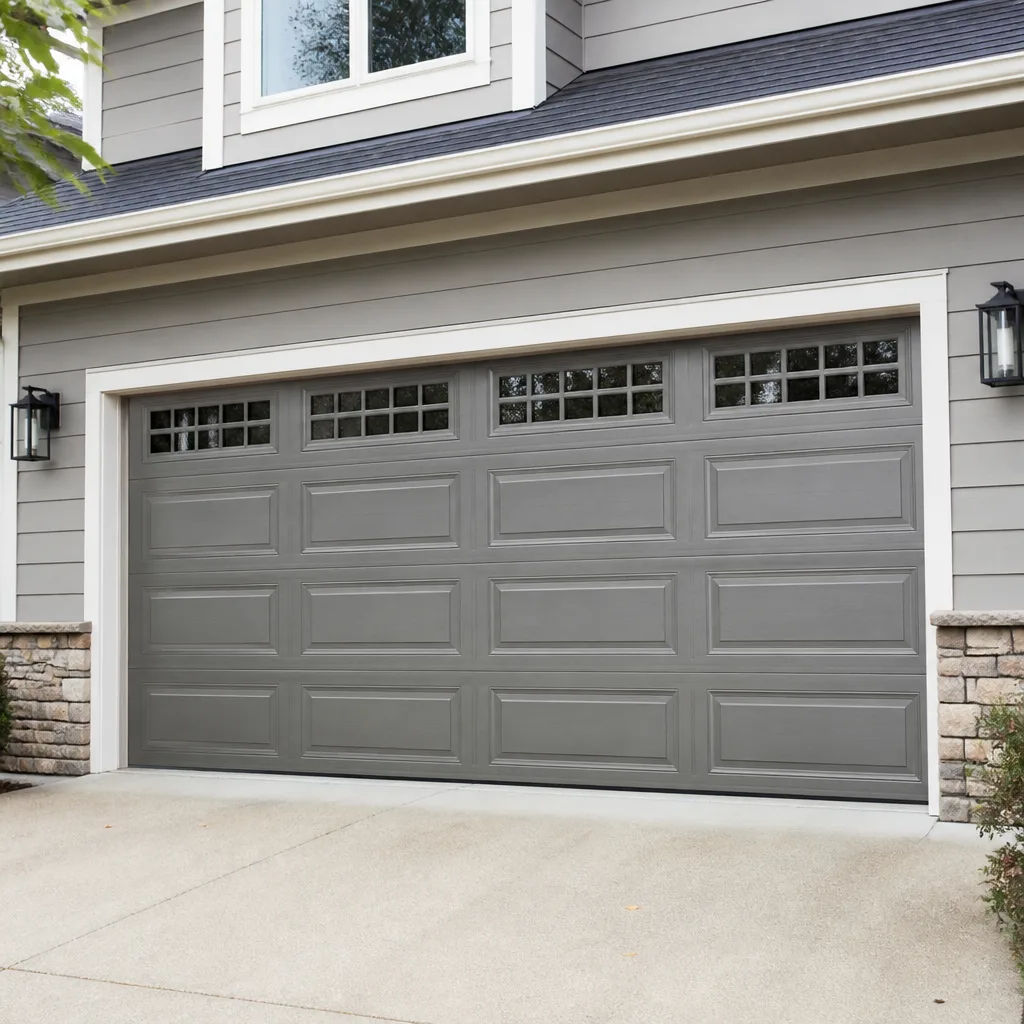 Raised-panel steel
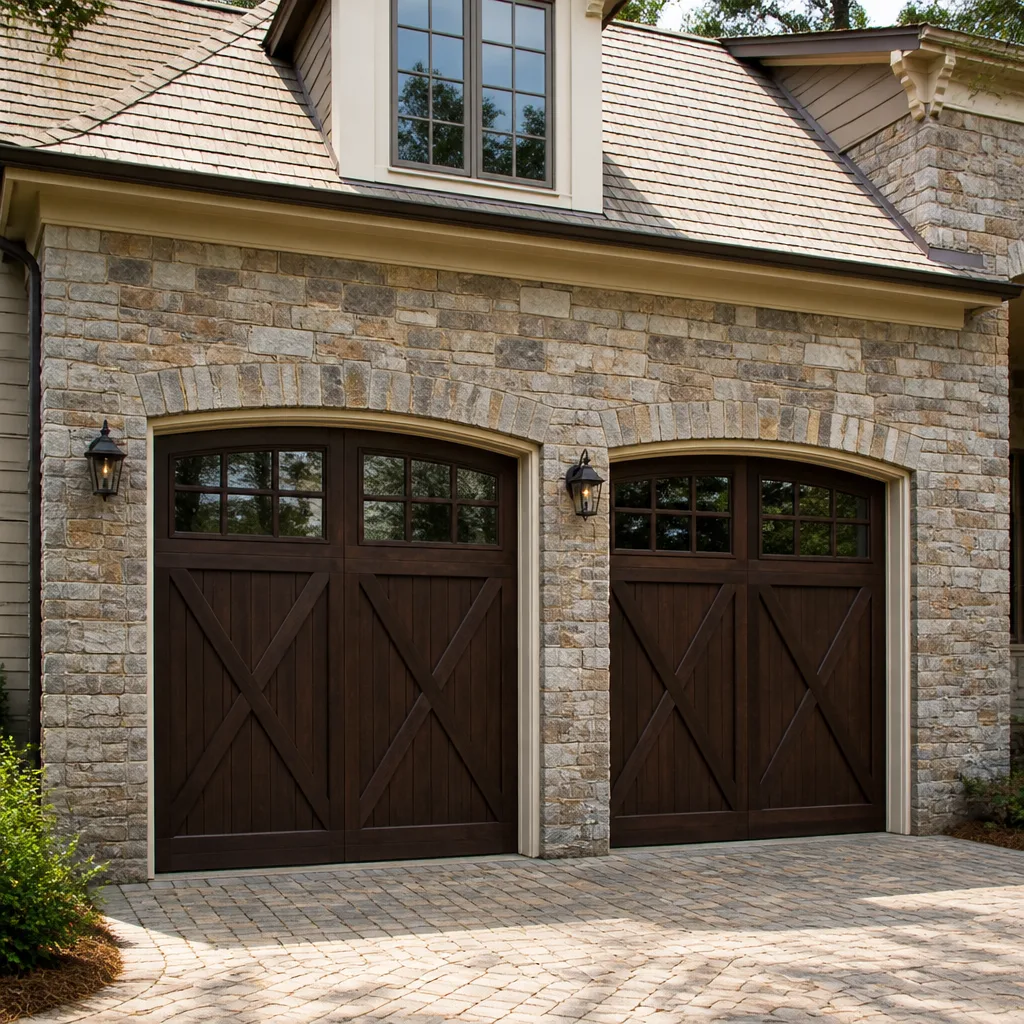 Carriage house
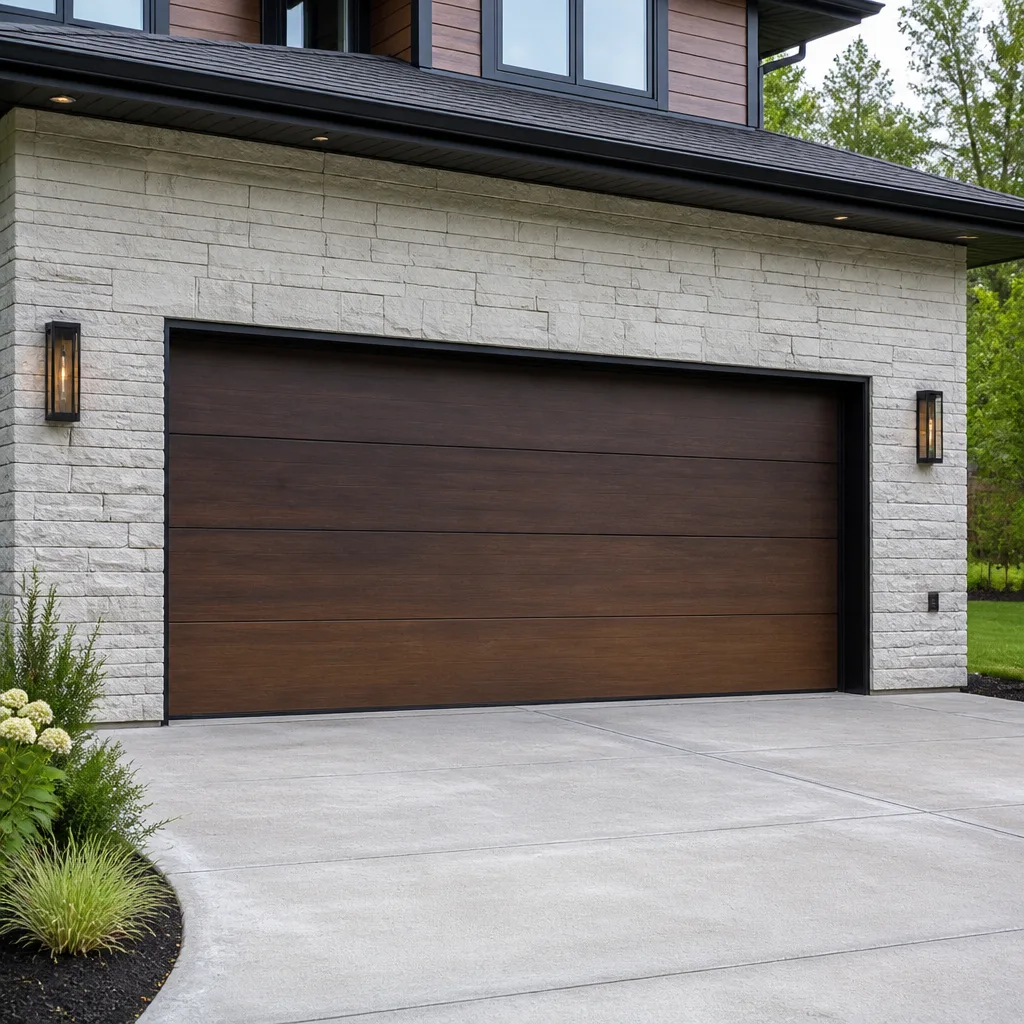 Modern flush
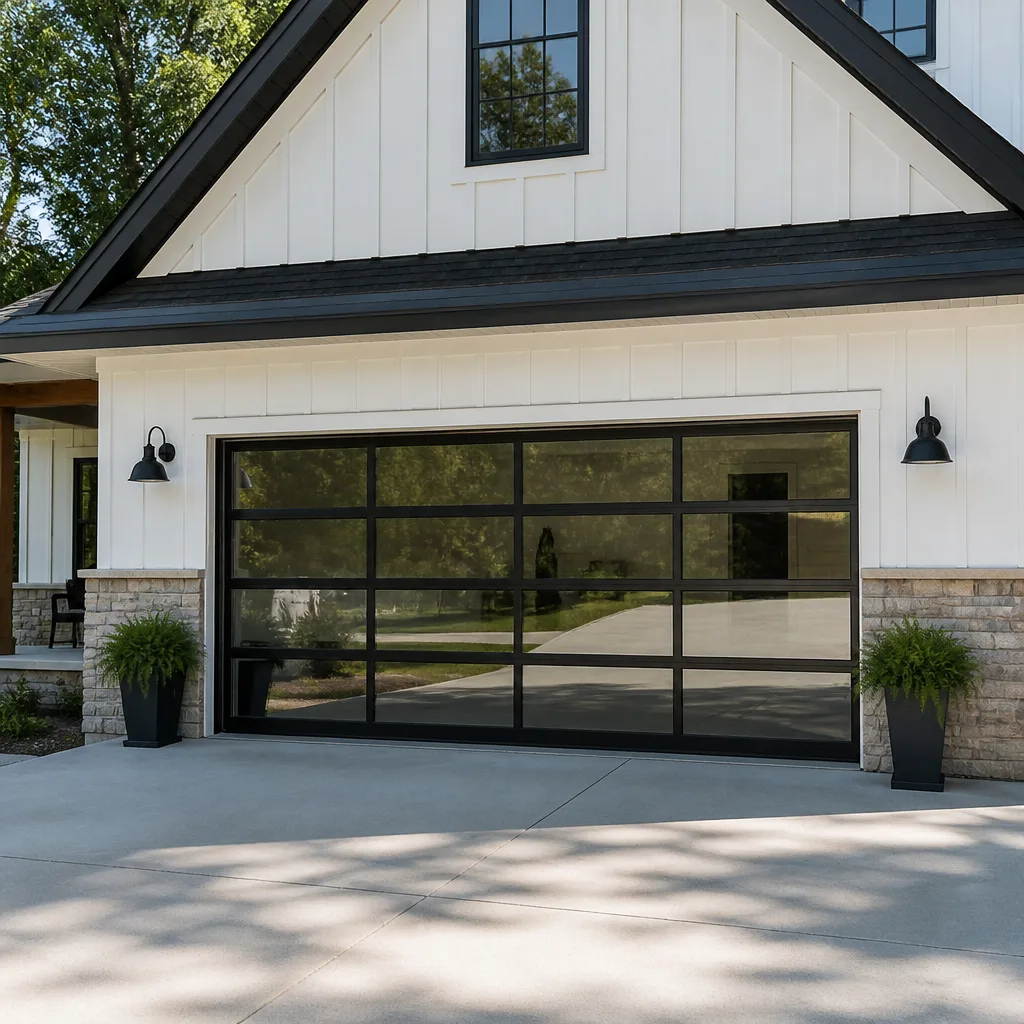 Full-view glass
 LiftMaster openers
 Chamberlain openers
Full 25-point door and opener safety check with every visit - springs, cables, rollers, tracks, and your LiftMaster or Chamberlain opener included
You get a price before we start. It does not change when the pro arrives.
Get your free estimateSeasonal Garage Door Care for Coon Rapids: Year-Round Homeowner’s Guide
Most Coon Rapids homeowners prep their garage door for winter and call it done. That’s the wrong season to focus on. In our experience across the Twin Cities north metro, the heaviest stretch for spring failures is spring itself, not January. Freeze-thaw cycling is what fatigues the torsion springs, the metal tracks, and the rubber seals, and the first warm week of March is when a weakened spring finally lets go. Winter gets blamed because that’s when people notice a stiff door. The damage was already done. This guide walks through all four seasonal transitions, what actually fails in each one, and how to run a 15-minute routine that catches trouble before it becomes a broken door.
Quick Answer
Garage door care in Coon Rapids follows four mechanical seasons, not one winter checklist. Check tracks, rollers, and seals in spring after the thaw, watch opener sensitivity and panel warping in summer heat, lubricate and tighten hardware before the first freeze in fall, and never force a door that’s frozen to the ground in winter. A simple 15-minute inspection at each seasonal change catches most failures before they happen.
Styles & brands we work with
- Raised-panel steel
- Carriage house
- Modern flush
- Full-view glass
- LiftMaster openers
- Chamberlain openers
Table of Contents
- Why Coon Rapids Garage Doors Fail by Season, Not by Year
- Spring: Post-Thaw Inspection Priorities
- Summer: Heat Expansion and Opener Sensitivity
- Fall: The Pre-Freeze Checklist
- Winter: A Door Frozen to the Ground
- The 15-Minute Seasonal Routine
- What You Should Never Adjust Yourself
- How to Time Your Seasonal Checks
Why Coon Rapids Garage Doors Fail by Season, Not by Year
A garage door is a system of moving metal parts under constant load. That load is what makes seasonal care matter in Coon Rapids more than in mild climates. Our winters swing hard between freeze and thaw, and each cycle does a small amount of damage to the metal and rubber on the door.
Here’s what that cycle actually does. Torsion springs hold the full weight of the door, and every stretch and release under cold stress works the metal. When temperatures bounce above and below freezing, the spring is doing extra work at the same time the steel tracks are expanding and contracting against their anchors. Rollers ride in those tracks, and any bow that develops over winter shows up as a rough glide or a grinding sound as soon as the weather warms.
Rubber bottom seals absorb the most abuse of any part on the door. A seal that’s been pressed against a frozen slab for months can crack, flatten, or pull loose from the retainer. When it does, cold air, moisture, and in spring, meltwater, get inside the garage.
Panels behave differently again. Steel panels flex in summer heat, and hinges and bolts loosen as expansion works the joints. So the door isn’t just aging on a clock. It’s aging against Coon Rapids weather, and each season brings a distinct failure mode. That’s why we tell homeowners to inspect four times a year rather than once.
If you’d rather have a trained eye look it over, our Garage Door Repair Coon Rapids team handles inspections and repairs across the north metro. But most of the seasonal routine below is something you can run yourself with nothing more than a rag, a can of lubricant, and five minutes of curiosity.
Spring: Post-Thaw Inspection Priorities
Spring is when a Coon Rapids garage door shows the wear that winter hid. The months of freeze-thaw have worked on the springs, the tracks, and the seals, and the first warm week is when weak parts fail. Walk around the door with these priorities in order.
1. Check the tracks for frost heave and bowing
Run your eye up each vertical track and along the horizontal section. Look for a gap between the track and the door edge that’s wider at the bottom than the top. Look for dents, kinks, or any spot where the roller is climbing out of the channel. A bowed track will drag on the rollers and eventually throw the door off balance. Don’t try to bend a track back into shape with a hammer; the geometry matters more than the shape.
2. Listen to the rollers
Rollers should glide quietly. A grinding, squealing, or rumbling roller has a worn bearing or a flat spot. Rollers are cheap and replacing a set is straightforward, but a seized roller can score the track, and then you’re looking at more than a roller swap.
3. Inspect the bottom seal
Grab the rubber bottom seal and look for cracks, flat spots, or sections pulling away from the retainer. A cracked seal lets in meltwater, drafts, and pests. This is one of the quickest replacements on a door and one of the most often skipped.
4. Look at the springs, but don’t touch
Torsion springs sit on the shaft above the door; extension springs run along the horizontal tracks. Look for gaps in the coil, rust streaks, or a spring that’s visibly stretched unevenly compared to where it sat in fall. If you see any of that, don’t run the door. A fatigued spring under load is the single most dangerous component of a garage door, and the snapshot moment when it lets go can happen with the door in motion or just sitting closed.
If a spring looks bad or the door suddenly feels heavy to lift by hand, that’s the point to stop and call a professional. Our garage door spring repair service exists for exactly this. Spring replacement isn’t a homeowner job, and no amount of online instruction makes it a safe one.
Summer: Heat Expansion and Opener Sensitivity
Summer heat does a specific kind of nuisance damage in Coon Rapids. Steel panels expand slightly, tracks shift a fraction, and the wood frame around the door swells and dries with humidity swings. None of that is catastrophic on its own, but together they can throw off an opener that worked perfectly all winter.
What heat actually does to the door
- Panels flex. A dark-colored steel panel in direct sun gets hot enough to bow slightly. Over a season, the flex loosens hinge screws and can create a visible gap between panels.
- Tracks shift. The metal track expands against its brackets. On a door that’s already a little out of adjustment, that push is enough to make the door drag.
- Frames swell. High humidity can swell a wood door frame enough to pinch the door on its way down, which the safety sensor reads as an obstruction.
Why the opener gets blamed
When a door drags in summer heat, the opener has to push harder. Many modern openers, including LiftMaster and Chamberlain units, have automatic force-adjust features, so the motor compensates. But an opener that keeps hitting a resistance threshold will eventually reverse mid-cycle. Homeowners read that as “the opener is broken” when the real problem is a door that’s binding. That’s why a proper garage door opener repair visit starts with the door, not the motor.
Your summer check
- Run the door up and down once and watch for any spot where it slows or jerks.
- Wipe down the tracks with a dry cloth to clear grit and pollen buildup.
- Test the safety reverse by placing a small object in the door’s path: the door should reverse on contact.
- Check the sensitivity dial or setting on the opener only if the door reverses with nothing in the way, and read your opener manual before touching it.
If a Genie or Chamberlain opener keeps reversing after you’ve cleared the tracks, the door itself needs a look. Call (855) 337-1768 and we’ll schedule a proper check.
Fall: The Pre-Freeze Checklist
Fall is the season where a little prep saves a lot of winter frustration. The goal is to leave every moving part lubricated, every fastener snug, and every gap sealed before the first hard freeze locks everything in place.
What to lubricate, and with what
Most garages have one can of lubricant and use it everywhere. That’s a mistake. The right product depends on the part.
- Silicone spray: use on the bottom weather seal and on any rubber or plastic component. It keeps rubber from drying and cracking and won’t degrade the seal.
- White lithium grease: use on the metal bearing points, the hinge knuckles, and the roller bearings. It’s thicker than silicone and holds up better where parts are under real friction.
- Do not use WD-40 on the tracks. It attracts dust and grit and leaves the surface too slick for the rollers to grip properly. It also won’t do anything for a part that’s actually worn.
- Do not lubricate the torsion springs. Lubricant on a torsion spring does nothing useful and can make the coil harder to assess visually.
The rest of the fall checklist
- Tighten every hinge screw and the bolts on the roller brackets. Don’t overtighten; snug is enough.
- Run the door and listen for rattles or new squeaks that weren’t there in summer.
- Look at the bottom seal and replace it if it’s cracked or flat.
- Clear leaves and debris from the base of the door and the track channels. Wet leaves freeze into the path.
- Check the safety reverse one more time before the cold settles in.
- Test the opener’s battery, including any remote and keypad batteries, before winter hits.
If your fall check turns up bent panels, a damaged track, or a door that’s simply past its useful life, our garage door repair team can walk you through your options. A repair isn’t always the answer; sometimes a replacement makes more sense, and we handle both. Homeowners shouldn’t need to call a second company when a repair turns into a new-door conversation.
Winter: A Door Frozen to the Ground
A door frozen to the ground is the classic Coon Rapids winter problem, and forcing it is the fastest way to damage the opener. When the bottom seal freezes to the slab, the opener is trying to lift the full weight of the door against an ice grip. That’s more force than the motor is designed to handle, and the gear or drive will give before the ice does.
The right way to free it
- Before running the opener, check the base of the door. If it looks stuck, don’t press the button.
- Disconnect the opener by pulling the emergency release rope so the door is on manual only. This is a standard feature on every opener and prevents the motor from fighting the ice.
- Use a plastic scraper or a warm (not boiling) cloth to loosen the seal from the concrete. Don’t pry with a screwdriver; you’ll tear the seal.
- Work around the full perimeter of the seal before trying to lift the door by hand.
- Once free, reconnect the opener and test it once. If the door hesitates, don’t keep forcing it.
When to stop
If the door is frozen solid despite your work, or if the opener has already been forced and now sounds different, stop and call. A door that won’t open is one thing. A door that opens badly and drops is something else, and the safety risk isn’t worth pushing through.
Emergency service is part of what we do
Winter is when unplanned failures hit hardest, and it’s a good reason to know your options ahead of time. We answer 24/7, and fast dispatch from 7am to 7pm, Sunday through Friday, is available for genuine emergencies. A snapped spring on a January morning means the door is stuck until it’s fixed, and that’s the point where a call is worth making. Dial (855) 337-1768.
The 15-Minute Seasonal Routine
Here’s the routine we hand to homeowners who want to stay ahead of failures without becoming garage door mechanics. It’s four checks, roughly fifteen minutes each, one per seasonal change. No special tools.
Tools you actually need
- A rag
- A can of silicone spray
- A small tube of white lithium grease
- A screwdriver that fits your hinge screws
- A flashlight (the garage is always darker than you think)
The four checks
- Spring check (late March): visual scan of the springs and rollers, listen for grinding, look at the bottom seal. Don’t touch the springs.
- Summer check (late June): operate the door, watch for binding or hesitating, test the safety reverse, clear the tracks.
- Fall prep (mid October): lubricate hinges and rollers with white lithium, silicone the bottom seal, tighten fasteners, clear debris.
- Winter check (mid December): test the manual release, clear the base of the door of ice, verify the opener battery, listen for anything new.
That’s the whole routine. Most problems it catches can be fixed before they become an emergency call. The problems it reveals are also a clear signal about when to stop and bring in a professional, and that’s a judgment homeowners should make early rather than late. If the door is binding, if a spring is visibly stretched, or if the opener is reversing repeatedly, call us and we’ll take a look.
What You Should Never Adjust Yourself
Some garage door maintenance is safe for homeowners. Some of it can cause serious injury. The line is worth knowing clearly.
Springs and cables: do not touch
Torsion and extension springs are under tremendous tension, and a spring that lets go while you’re handling it can cause serious harm. The same is true of the steel cables that run alongside extension springs. Never cut, remove, loosen, or adjust a spring or cable. Never try to wind or unwind a torsion spring with hand tools. This is the single most dangerous part of any garage door, and it’s handled with the right equipment and training for a reason.
Our garage door spring repair specialists do this every week, and even they don’t improvise. If you’re ever in doubt about a spring, treat it as a professional-only job.
The opener’s force adjustment: read before you touch
Most openers, including LiftMaster and Chamberlain models, have a force adjustment dial or setting. It exists to compensate for normal resistance, not to bypass a door that’s binding. If you crank the force up to overcome a binding door, you’ve created a situation where the door can close on something (or someone) without reversing. Leave the force setting alone unless your opener manual specifically says otherwise, and if the door reverses with nothing in the way, that’s a door problem, not an opener setting.
Electrical work: no
Wiring an opener to a new outlet or replacing the motor capacitor is electrical work. That’s not a homeowner task and shouldn’t be attempted. If the opener needs electrical repair, call a professional.
Bottom line on safety
Ten-minute visual inspections, lubrication, tightening screws, and clearing debris are all safe. Anything involving springs, cables, opener wiring, or force adjustments should be left alone. Our technicians have up to 9 years of experience with these systems, and even with that experience, they use the proper tools and take the right precautions.
How to Time Your Seasonal Checks
The exact dates matter less than the transitions. The point is to run a check before each season really kicks in, so the door is ahead of the weather instead of catching up.
A working calendar for Coon Rapids
- Late March to early April: spring check after the thaw. This is the highest-risk inspection of the year because the freeze-thaw cycle has already done its work.
- Late June: summer check once the heat has settled. Catches opener sensitivity changes and panel flex.
- Mid October: fall prep before the first freeze. The most important preventive step of the year.
- Mid December: winter check once the cold is steady. Catches ice-grip problems and confirms the manual release works.
Also check after any of these events
- Any storm with heavy wind or hail. Hail dents panels and can knock a track out of alignment.
- Any time the door reverses or jerks without an obvious reason.
- Any change in sound: a new squeak, a rattle, a grinding, a repeated click.
- Any time the opener’s lights flash in a pattern. That’s a diagnostic code, and it’s telling you something.
Common Mistakes to Avoid
- Doing one big “winter prep” and skipping spring. Spring is the season when post-thaw damage is most visible, and it’s the highest-failure window. Coon Rapids winters work springs hard, and the season after is when the damage shows.
- Using WD-40 on the tracks. It attracts grit and makes the rollers slide instead of roll. The right product is white lithium at the bearings and a dry rag on the track surface.
- Forcing a frozen door with the opener. The icy seal will give the opener more resistance than it’s built for. Disconnect the opener, work the seal loose by hand, then reconnect.
- Cranking up the opener’s force setting to hide a binding door. That’s not fixing the door, it’s removing the safety margin. If the door binds, fix the bind.
- Ignoring a stretched spring. A spring with an obvious gap or a stretched coil is not going to fix itself. Running the door on a fatigued spring risks more than the spring.
- Skipping the bottom seal every year. It’s cheap to replace and it’s the first thing that lets in cold air and meltwater in a Coon Rapids spring. If a homeowner only replaces one part a year, this is the one.
- Not testing the safety reverse after any adjustment. A door that closes without reversing is a real hazard. Test it every time you touch anything on the track or the opener.
Our garage door repair team sees every one of these on a normal week. Some are easy fixes, some are hard lessons, and most are avoidable with the seasonal routine above.
See the difference
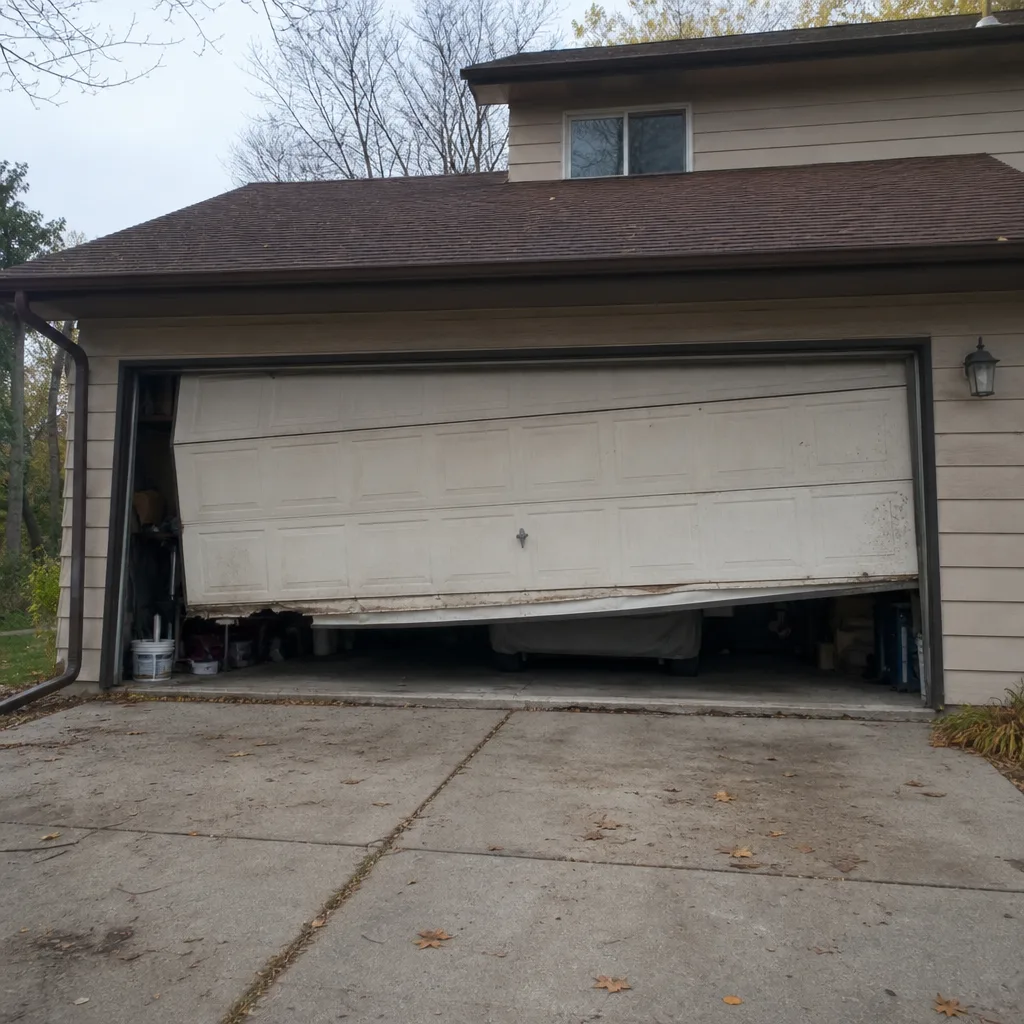 Before
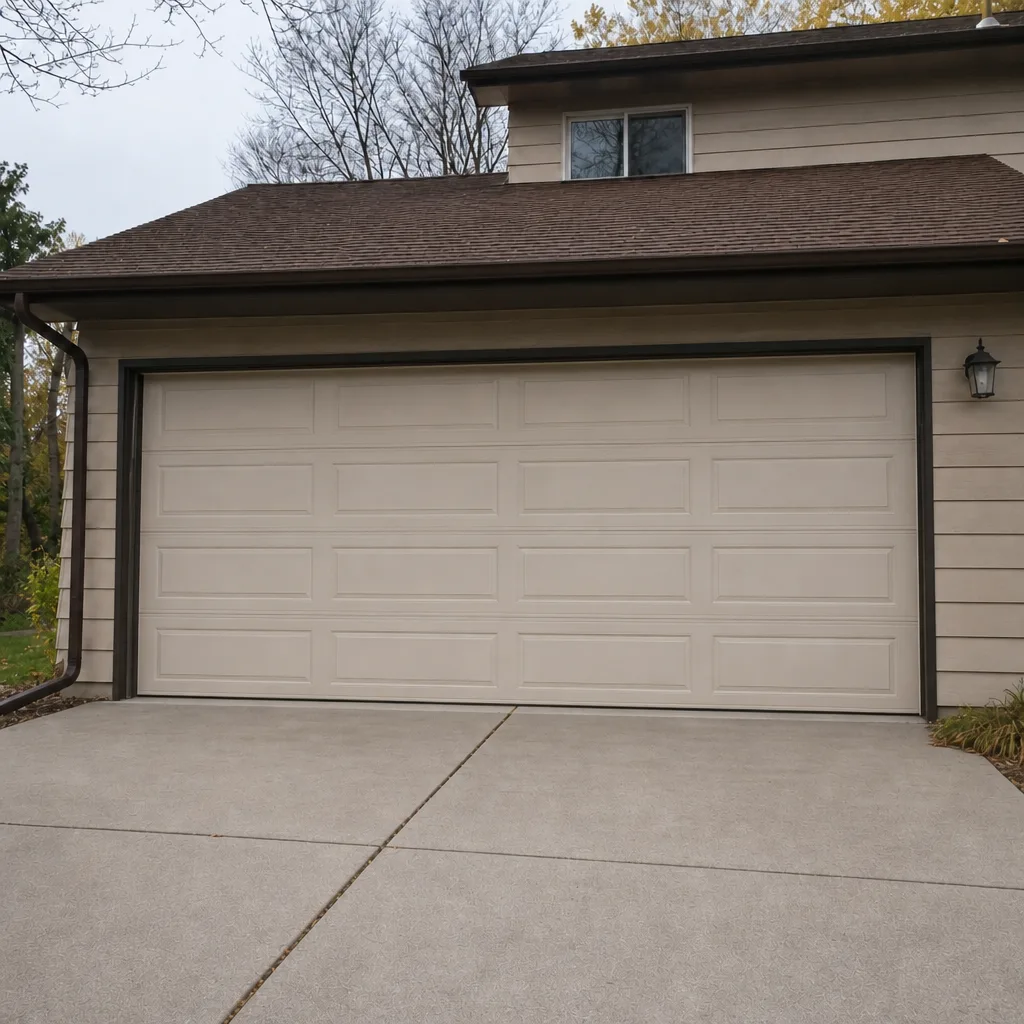 After
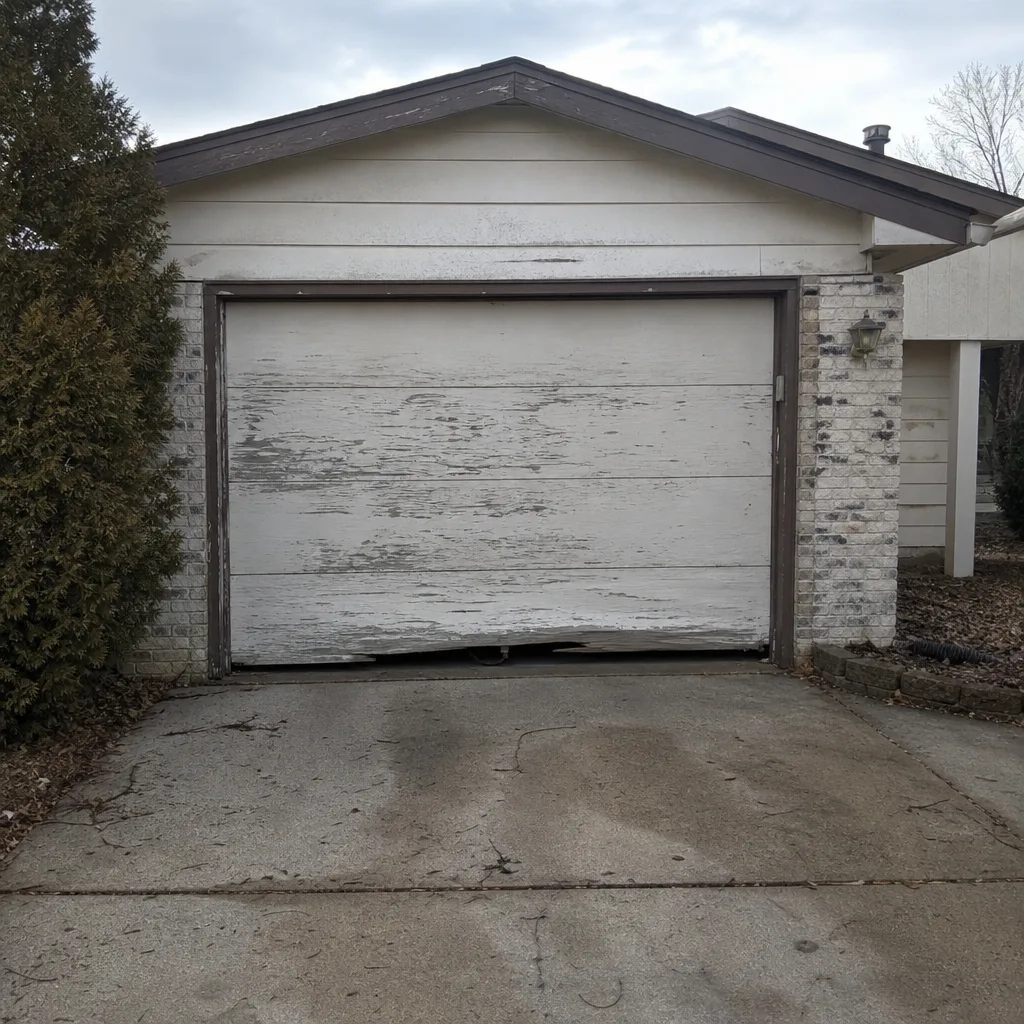 Before
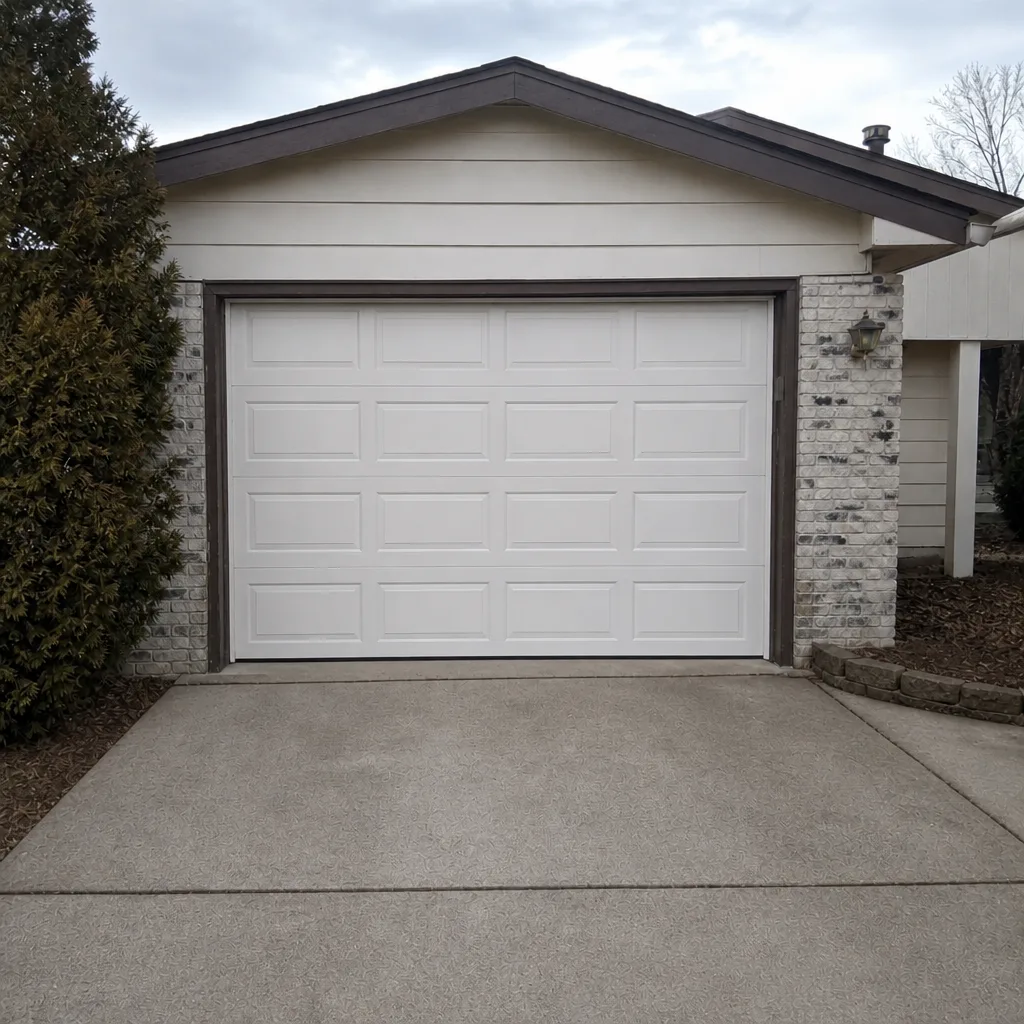 After
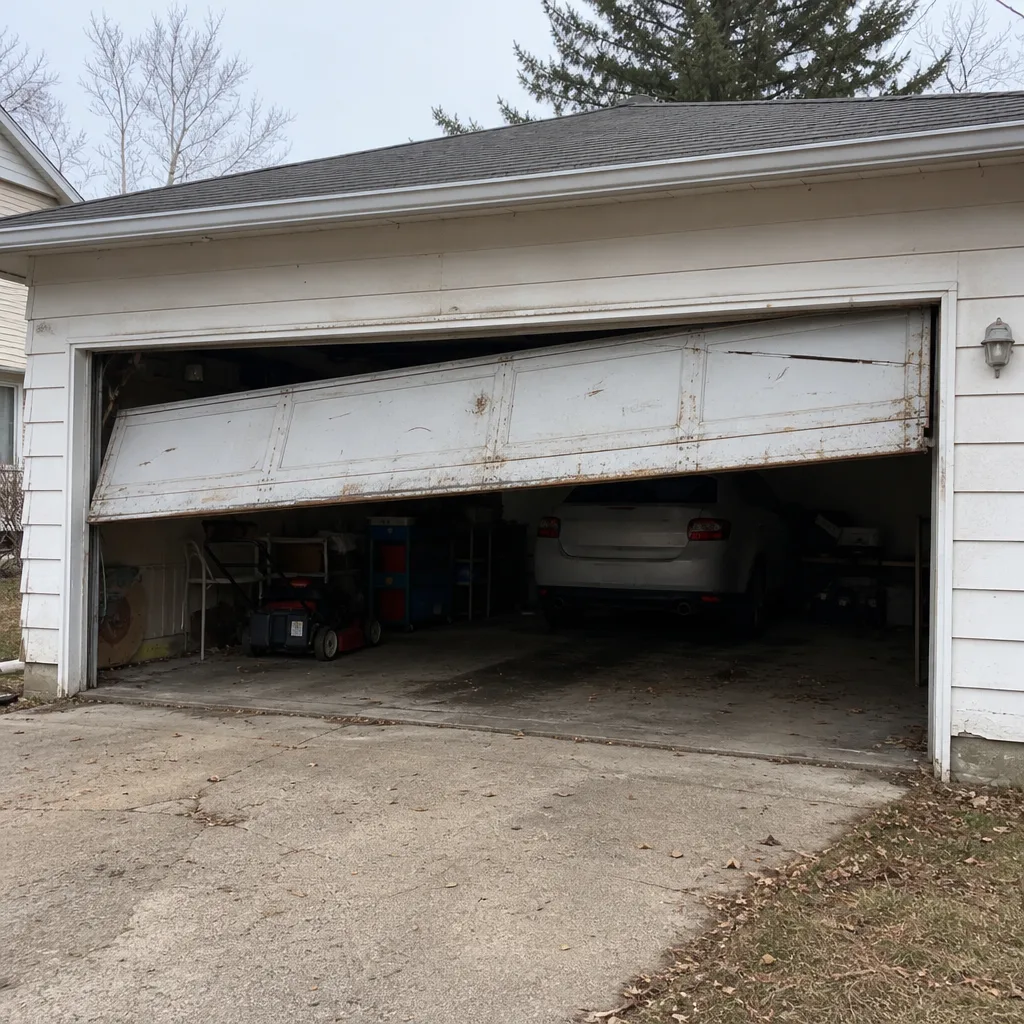 Before
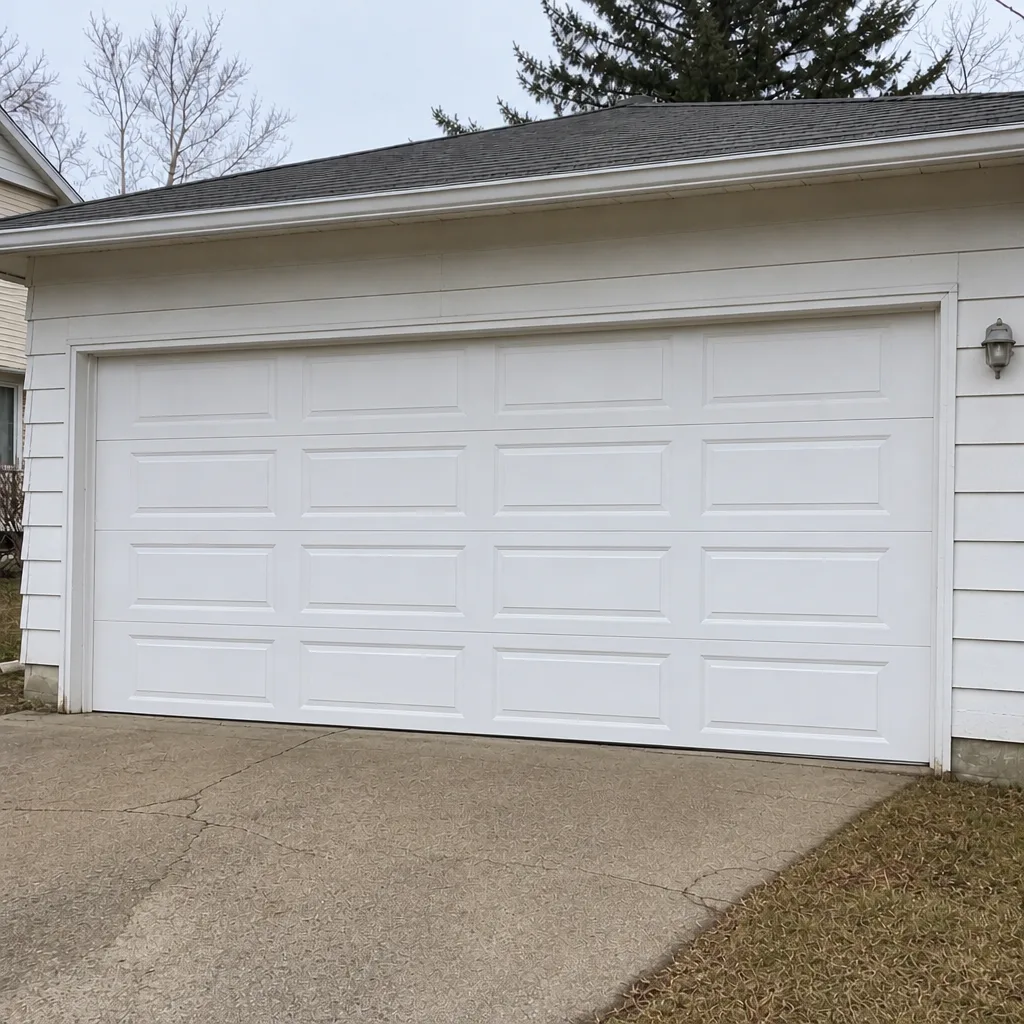 After
When to Call a Professional
Call a professional when the seasonal check turns up anything you can’t safely fix yourself. That includes: a spring that’s visibly stretched, cracked, or has a gap in the coil; a door that binds, jerks, or reverses without reason; a track that’s bent or shifted out of alignment; a bottom seal that’s damaged beyond cleaning; an opener that keeps failing the safety reverse test; and any time the door feels noticeably heavier to lift by hand than it did a season ago. Winter is the season where emergency failures hit hardest, and a snapped spring isn’t something to sit on.
Garage Door Repair Coon Rapids offers free estimates in Coon Rapids. Call (855) 337-1768. We answer 24/7, and fast dispatch from 7am to 7pm, Sunday through Friday, covers genuine emergencies. We’re closed on Saturdays, but a door that fails on a Saturday can still call and we’ll book the first opening. Our technicians have up to 9 years of experience, work on LiftMaster, Chamberlain, Genie, Clopay, Amarr, Wayne Dalton, Craftsman, and Raynor equipment, and quote every job before any work begins.
Frequently Asked Questions
Springs fail most often in spring, right after the freeze-thaw cycle finishes working the metal. The first warm week of March or April is the highest-risk window, not January, because the fatigue has been accumulating all winter and the warming period is when the weakened spring lets go. Call (855) 337-1768 if you suspect a spring is failing; don’t run the door to test it.
Once in the fall, before the first freeze, is the minimum. If your door gets a lot of use or sits on a south-facing wall that collects sun, a second lubrication in late spring helps. Use white lithium grease at the hinge knuckles and roller bearings, and silicone spray on the bottom seal. Skip the tracks: keep them clean and dry.
No. Household oils like general-purpose lubricant or cooking oil attract dust and gum up over winter. White lithium grease for metal bearing points and silicone spray for rubber components are the right choices. Anything that stays tacky on the tracks will collect grit and shorten roller life.
Summer heat expands steel panels and swells wood frames, which makes the door bind slightly. The opener reads that extra resistance as an obstruction and reverses. The fix is to find and correct the bind, not to adjust the opener’s force setting. A garage door opener repair call is the right move if the bind isn’t obvious.
No. Running the opener against a frozen seal risks stripping the opener’s gear or drive and can damage the bottom seal further. Pull the manual release, work the seal loose with warm water or a plastic scraper, then reconnect and test. If the door still fights, call (855) 337-1768.
No. The price is set per job by the written estimate, and it’s quoted before any work begins. Winter doesn’t change the estimate. Call (855) 337-1768 for a free estimate and a written price you can plan around.
The Bottom Line
Coon Rapids garage doors don’t age by the calendar. They age by season, and each one brings a different failure mode: post-thaw spring fatigue in spring, panel and opener sensitivity issues in summer, freeze damage in fall if you haven’t lubricated and tightened, and ice-grip problems in winter if you force a frozen door. The 15-minute seasonal routine covers all four transitions and catches most problems before they become emergency calls. The one hard line to remember: never touch the springs or cables. That’s the professional’s job, and it’s the reason our garage door repair team exists. If a check turns up something you’re not sure about, get a free estimate rather than pushing through. Call (855) 337-1768. We answer 24/7, fast dispatch runs from 7am to 7pm Sunday through Friday, and every price is quoted before any work starts.
Written by the team at Garage Door Repair Coon Rapids.