
Last updated November 22, 2026
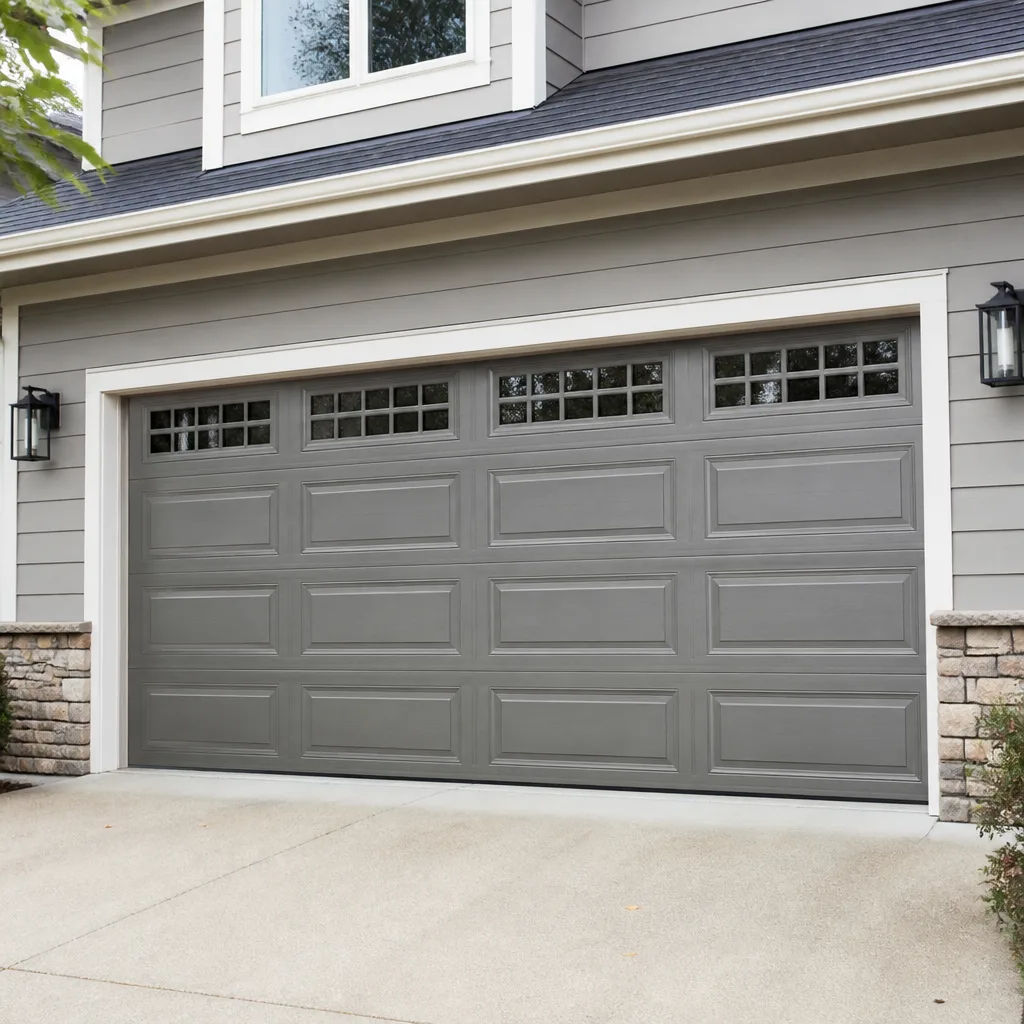 Raised-panel steel
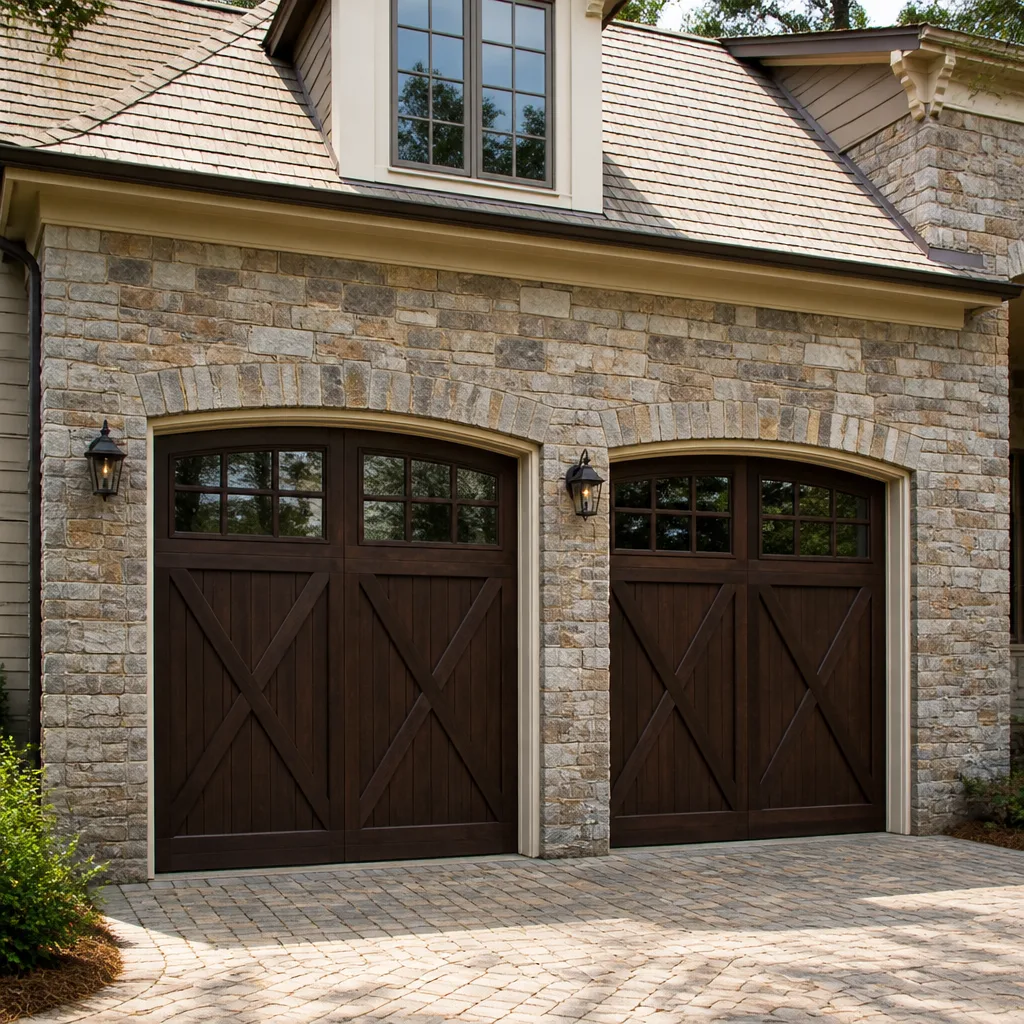 Carriage house
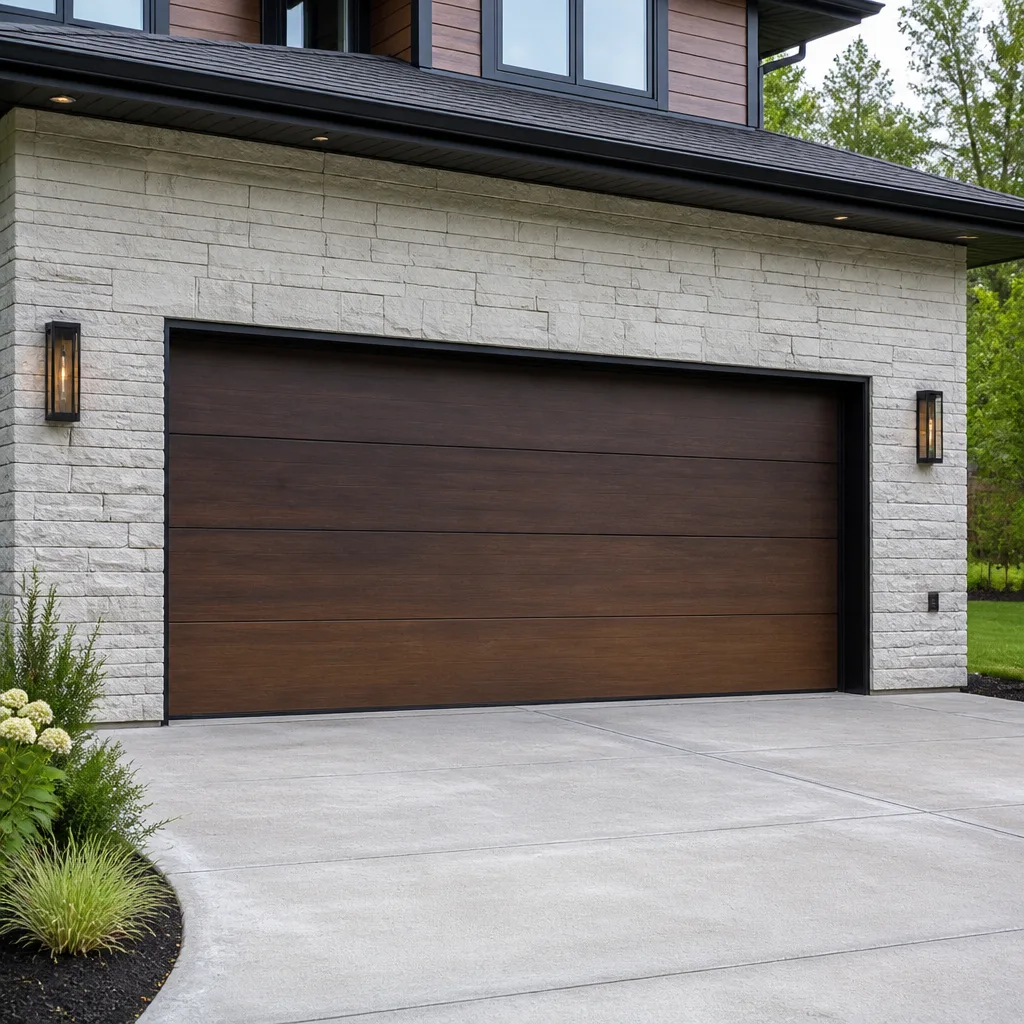 Modern flush
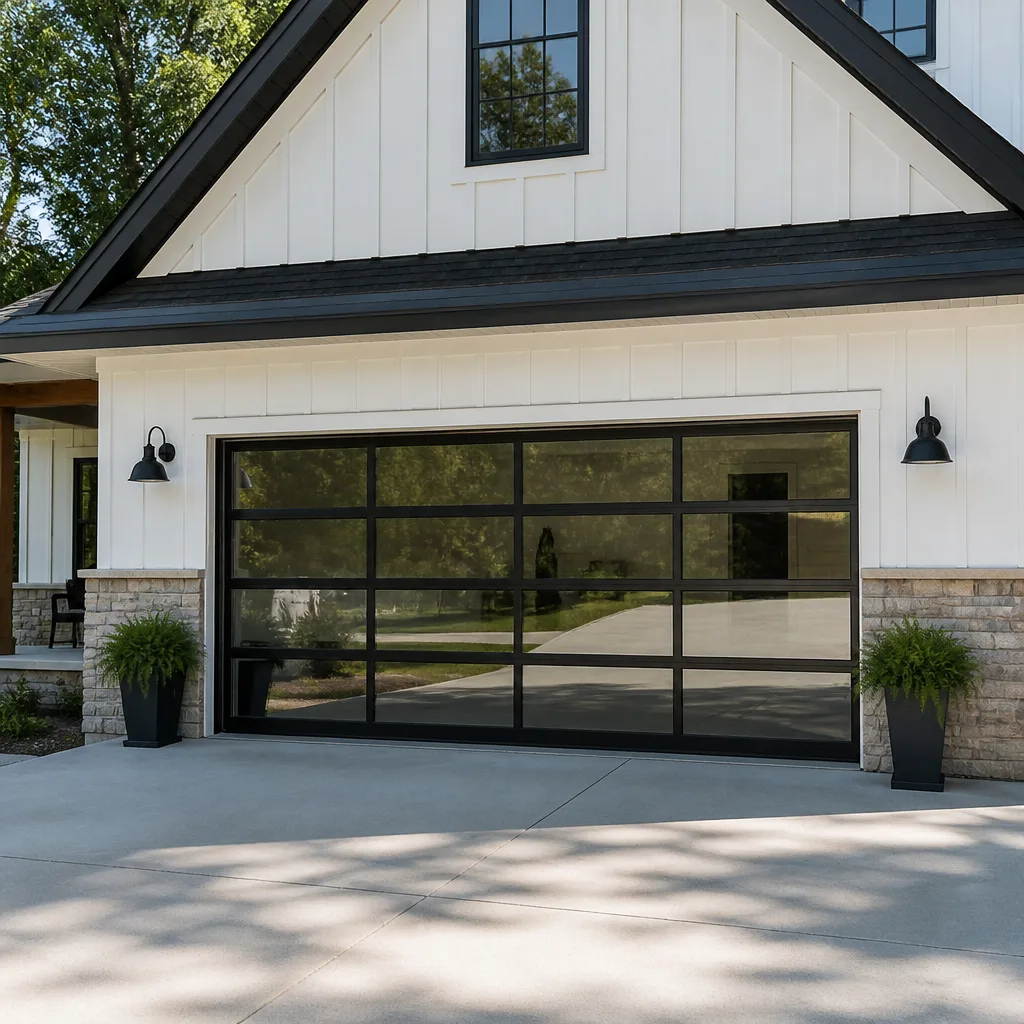 Full-view glass
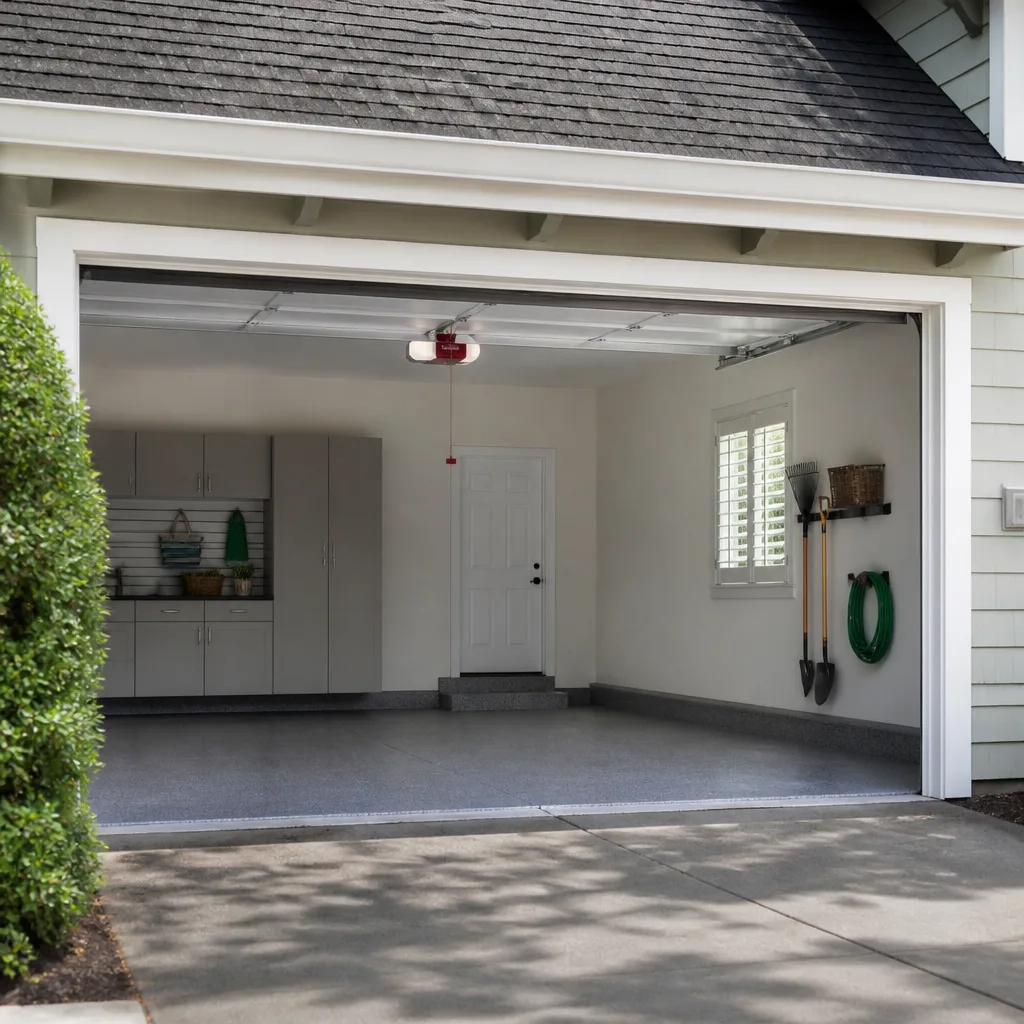 LiftMaster openers
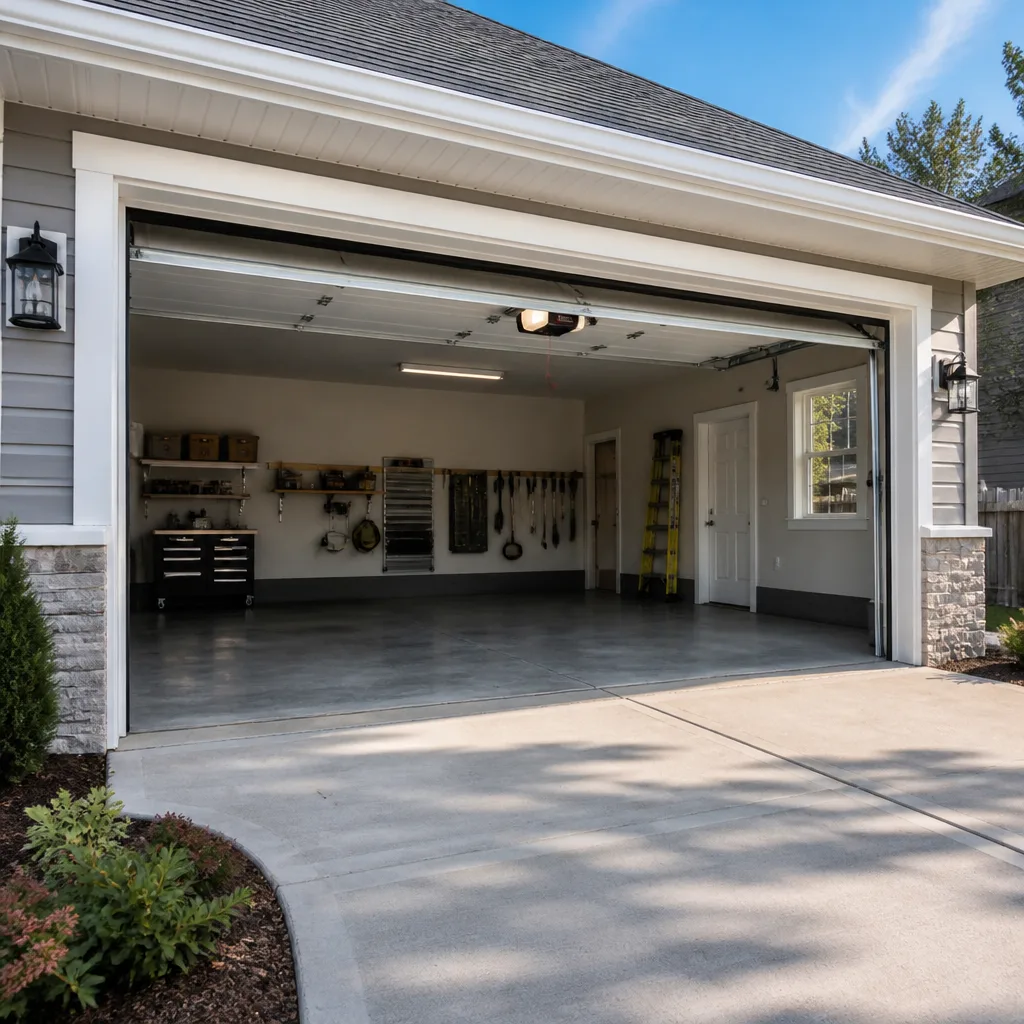 Chamberlain openers
Full 25-point door and opener safety check with every visit - springs, cables, rollers, tracks, and your LiftMaster or Chamberlain opener included
You get a price before we start. It does not change when the pro arrives.
Get your free estimateDIY vs Professional Garage Door: The Coon Rapids Homeowner’s Decision Guide
Most homeowners ask the wrong question first. They ask “am I handy enough to fix this?” when the real question is “will this specific repair hurt me if it goes wrong?” Those are different questions with different answers. A torsion spring on a standard residential door holds enough stored energy to cause permanent injury in less than a second of lost control – that isn’t a liability disclaimer tacked onto a service page, it’s physics. A snapped spring, a dropped door, a loaded cable under tension: these fail violently and without warning. So the DIY decision in Coon Rapids doesn’t start with confidence or budget. It starts with which component you’re touching. This guide breaks down every common garage door job into what’s genuinely safe to do yourself, what isn’t, and how the real cost comparison works once you factor in parts, time, risk and undoing a bad repair.
Quick Answer
Some garage door tasks are genuinely DIY-safe: weatherstripping, sensor alignment, lubrication, opener programming, and visual inspections. Torsion springs, extension springs, cables, and track realignment under load are not – the stored energy makes them a professional-only job regardless of your budget. For everything in that second group, hire a garage-door specialist in Coon Rapids rather than attempting it yourself, and get a written estimate before any work begins.
Styles & brands we work with
- Raised-panel steel
- Carriage house
- Modern flush
- Full-view glass
- LiftMaster openers
- Chamberlain openers
Table of Contents
- Which Garage Door Jobs Are DIY-Safe and Which Aren’t
- Why Torsion Springs Are the Line You Don’t Cross
- What YouTube Prepares You For (and Where It Creates False Confidence)
- The Minnesota Winter Factor Nobody Talks About
- The Real Cost Comparison: DIY vs Professional
- How to Do the Safe Prep Work Yourself to Lower Your Bill
- When to Stop and Call a Professional
- Frequently Asked Questions
Which Garage Door Jobs Are DIY-Safe and Which Aren’t
The garage door system isn’t one thing. It’s a collection of mechanical, electrical, and structural components that carry very different risk profiles. Grouping them correctly is the whole game. Walk into any Coon Rapids garage and you’re looking at the same major parts: springs (torsion or extension), cables, track, rollers, hinges, panels, weatherstripping, and the opener with its sensors and safety reverse function. Some of those components can be safely adjusted by a careful homeowner. Others cannot.
Genuinely DIY-safe tasks:
- Weatherstripping replacement – the rubber or vinyl seal along the bottom edge and around the frame. This is glued or slid into a channel and requires no tools beyond a utility knife and a screwdriver. It’s the single most homeowner-friendly garage door job there is, and it makes a real difference in a Minnesota winter.
- Photo-eye sensor alignment – the two small sensors mounted near the floor on either side of the opening. If your door reverses for no reason, the sensors are the first thing to check. Wiping them clean or nudging them back into alignment is safe and takes minutes.
- Lubrication – rollers, hinges, and the torsion bar bearings take a garage-door-specific lubricant. This is maintenance, not repair, and it’s the best five minutes you can spend on the door.
- Opener programming and remote pairing – following the opener manufacturer’s instructions to add a remote or keypad is safe. It’s electronics, not stored mechanical energy.
- Visual inspection – looking for frayed cables, worn rollers, bent track, or cracked panels. Inspecting is always safe. Acting on certain findings isn’t.
- Replacing rollers and hinges – these are load-bearing but not spring-loaded. With the door fully open and the opener disconnected, hinge and roller swaps are within reach for a careful homeowner, though we’d still suggest a professional if you’re unsure.
Not DIY-safe, full stop:
- Torsion springs – the horizontal spring mounted on the bar above the door. This is the highest-energy component in the system and the one that causes the most serious injuries.
- Extension springs – the springs running parallel to the horizontal tracks. Lower energy than torsion, but still dangerous if not properly secured and controlled.
- Cables – the steel cables that run from the bottom bracket up the side of the door. They’re under extreme tension and can whip if released.
- Track realignment under load – a bent track can be tapped straight, but only when the door is safely supported and the spring tension is offline. Doing this with a loaded door is how doors come down.
- Bottom brackets – the brackets at the base of the door where the cables attach. These hold cable tension and are never a homeowner job.
If you’re unsure which group a job belongs in, treat the job as professional. The asymmetry is severe: a DIY weatherstrip mistake costs you a new seal. A DIY spring mistake can cost you a hand.
Why Torsion Springs Are the Line You Don’t Cross
A torsion spring is a tightly wound coil of steel holding the entire weight of the garage door. On a typical residential door, that spring is under enough tension to launch a person across a garage or break a wrist in fractions of a second. This isn’t a scare tactic. It’s the same reason we don’t tell homeowners to handle loaded rifles or climb live electrical panels. The component is doing exactly what it’s designed to do: store a large amount of energy and release it slowly and controllably over the door’s travel. The problem is that when the spring or its winding hardware fails, the release isn’t slow or controlled anymore.
What makes torsion springs especially unforgiving is that they’re always in one of two states: under tension or dead. There’s no safe middle ground. If you’re replacing a broken spring, you’re working with the winding bars in the live end of a spring you’re tensioning. If you’re doing any other repair that requires the spring to come offline, you have to unwind a fully-loaded spring first, which is the single most dangerous step in the whole trade. In our experience, the failures that happen on a spring job are rarely about knowledge. They’re about the physical reality of what 100 to 200 pounds of counterbalance does when a winding bar slips or a winding cone lets go.
The other issue is that spring sizing is precise. Springs are matched to the door’s weight and height (wire gauge, inside diameter, and length all matter), and a spring of the wrong spec will fail prematurely or leave the door unbalanced. If you’re replacing a spring, you’re not just doing a mechanical job, you’re doing a measurement job against a spec you probably don’t have. Our garage door spring repair technicians match springs to the door so the second one doesn’t fail a month after the first.
Here’s the real rule: if the job involves touching a spring, a cable, or a bottom bracket, it belongs to a trained technician with the right winding bars, the right safety procedures, and a real understanding of what happens when the door comes down. That’s a hard line for us, and it should be for you too.
What YouTube Prepares You For (and Where It Creates False Confidence)
YouTube is genuinely useful for the DIY-safe tasks above. A five-minute video on aligning photo-eye sensors or replacing weatherstripping will save you a service call and teach you something real about your door. The problem is that the same platform looks identical whether you’re searching for a sensor tutorial or a torsion spring tutorial. The spring videos are the ones that create injuries.
What a tutorial gives you is a sequence: step one, step two, step three. What a tutorial can’t give you is the physical feel of a loaded spring. Watching someone set a winding bar looks calm and repeatable. In practice, the bar is fighting back most of the way through the turn, the leverage changes through the wind, and the margin for a hand positioning error is small. A camera angle flattens all of that into a smooth motion. The tutorial also never shows the moment where a technician stops, re-evaluates, and decides this spring isn’t going back on until the door is supported differently. Those judgment calls aren’t on the video, and they’re the part that matters.
The clearest sign of false confidence is when a homeowner tells us they’ve “watched how it’s done” and asks for the replacement spring to do it themselves. We won’t sell parts for that. What we can do is explain exactly why the spring is a professional job, and what the door will feel like once we’ve done it correctly. Our garage door repair team treats a spring call as a safety call first and a repair second.
Where the tutorials are actually worth your time:
- Learning how to test your photo-eye sensors and safety reverse function
- Understanding what a broken spring looks like before you call
- Learning the right way to lubricate rollers and hinges
- Programming openers and remotes on LiftMaster, Chamberlain, Genie, Craftsman, and similar units
- Diagnosing whether a problem is with the door or the opener
Where they’re a trap: anything with tension in it.
The Minnesota Winter Factor Nobody Talks About
Coon Rapids is a real winter town. Snow, ice, subzero stretches, and months where the garage is a cold, dimly-lit space. Spring failures in this climate are overwhelmingly at the cold end of the calendar, and that matters for the DIY decision in a way most guides skip over entirely.
Cold changes the conditions of any repair, and it does it in ways that favor calling a professional:
- Stiff lubricants – grease thickens in a cold garage. It moves differently, it takes more force to get things moving, and it can make a stiff mechanism suddenly give way instead of easing.
- Reduced visibility – shorter days mean more repairs happening in low light, often with a single work light or the headlights of a car. Details like a partially-seated winding bar or a slightly worn winding cone are much harder to see.
- Bulky clothing – gloves, sleeves, and heavy jackets restrict hand feel and hand placement. The precise positioning a spring job demands is exactly what winter gear interferes with.
- Brittle metal – cold steel behaves less predictably than warm steel. Old springs and worn cables are more likely to fail in a cold garage than in summer, which is precisely why so many Coon Rapids spring repairs happen in January and February.
Our advice for the winter months is simple: do the safe jobs (weatherstripping, lubrication, sensor alignment) yourself while it’s cold, and call us for the dangerous ones. Our garage door opener repair team handles the opener side of that call and our spring team handles the mechanical side, on the same visit if both are needed.
The Real Cost Comparison: DIY vs Professional
The DIY math looks simple until you add the parts you’ll need, the time it eats, the risk of a wrong-sized part, and the cost of undoing a failed repair. Getting this comparison right is the heart of the decision. Here’s how the numbers actually break down in Coon Rapids.
Why garage doors are worth a professional call
- A torsion spring replacement typically costs $180 to $340 for a single spring. A matched pair is usually replaced together, so a pair runs about twice that. A written estimate sets the final price.
- Extension spring replacement typically runs in a similar range to a single torsion spring, depending on door weight and spring spec.
- Cable replacement typically costs $150 to $280 per side, depending on the door.
- General garage door repair calls – alignment, rollers, hinges, off-track corrections – typically start around $120 and go up based on the work involved.
- Opener repair typically costs $125 to $350 depending on the fault. Opener replacement is usually more.
- New garage door installation is a measured and scheduled job with its own written price, separate from repair.
Compare that to the DIY version of the same jobs. The spring itself is roughly $40 to $120 depending on spec. The winding bars, if you don’t have them, run $25 to $60. The correct-spec spring requires matching wire gauge, inside diameter, and length to the door, which usually means pulling the old spring’s spec or having the door weight measured. If the spring is wrong, you’ve paid for a part that fails early and may damage the door. If you can’t finish the job, the door is offline until someone else can, which is a safety and security issue in your Coon Rapids home. And if a wound spring lets go and damages the door, panels, or opener, you’re looking at a repair bill that’s typically well into the hundreds before anyone touches the original problem.
For the repair work that matters most, the cost of a professional garage door spring or cable repair is usually comparable to (and often less than) a single service call for a general home emergency. For the safe tasks, DIY genuinely saves money and is worth doing. The rule of thumb we give homeowners: if the job is under $100 in parts and involves no stored energy, DIY it. If the job involves a spring or a cable, the professional price is the cheaper option once risk is priced in at all.
Call (855) 337-1768 for a free estimate. We answer 24/7. Fast dispatch from 7am to 7pm, Sunday through Friday.
How to Do the Safe Prep Work Yourself to Lower Your Bill
There’s a lot of money on the table for a homeowner willing to do ten minutes of prep before a technician arrives. None of it involves touching the spring. All of it makes the job go faster, which is what actually determines your bill.
- Measure the door. Width and height, measured inside the opening. Write both down. This tells the technician which size door and spring system they’re working on before they arrive.
- Record the door and opener model. Look for a sticker or plate on the opener housing. LiftMaster, Chamberlain, Genie, Craftsman, and most other openers carry a model number there. For the door itself, check the panels and any sticker on the inside face – Clopay, Amarr, and Wayne Dalton doors often have a tag with the model and sometimes a serial that the manufacturer can cross-reference. A photo of the sticker is as good as the number itself.
- Note the symptom, in plain terms. “Won’t close from the opener but closes from the wall button” is a different problem than “won’t close at all.” The more precisely you describe what the door is doing, the faster the diagnosis.
- Clear the work area. Move cars, bikes, and anything on the floor within a few feet of the door and rails. Empty the space directly under the torsion bar. This is a safety step for the technician and a speed step for you.
- Photograph the area around the door. Wide shot, plus close-ups of any obvious damage (a snapped spring, a bent track, a frayed cable). Photos help the call before it arrives and become your record of the job.
- Confirm the door is fully closed and disconnected from the opener if it’s a disconnected-opener repair. Don’t force anything further.
What to avoid: don’t try to “help” by winding, unwinding, tapping, or lifting anything that’s under spring tension. Don’t prop the door open with a ladder to see what’s going on. Don’t disconnect and reconnect the opener repeatedly to test. All of that creates a more complex job (and a bigger bill) than the one you started with.
When the technician arrives, have the measurements, the photos, and a clear description ready. You’ll get a faster diagnosis and a cleaner written estimate, and the price is quoted and agreed before any work starts.
See the difference
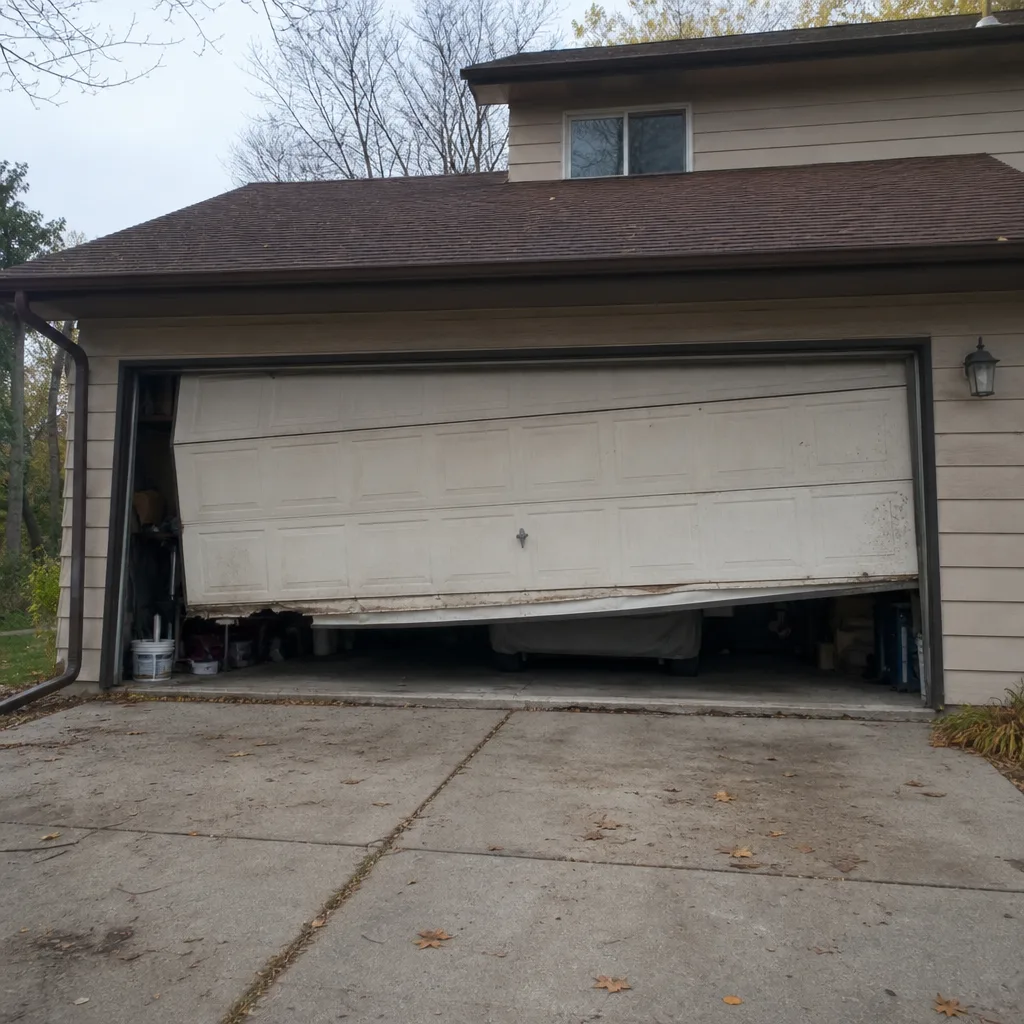 Before
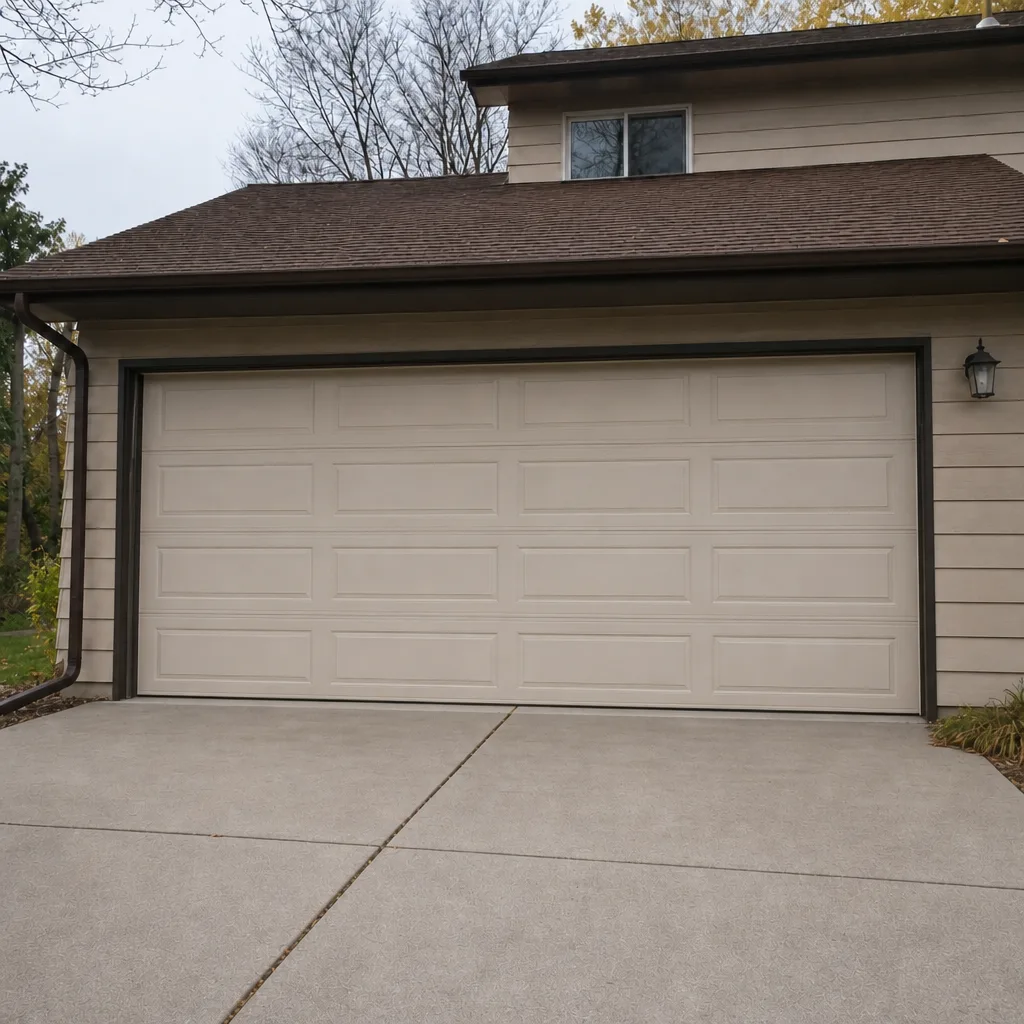 After
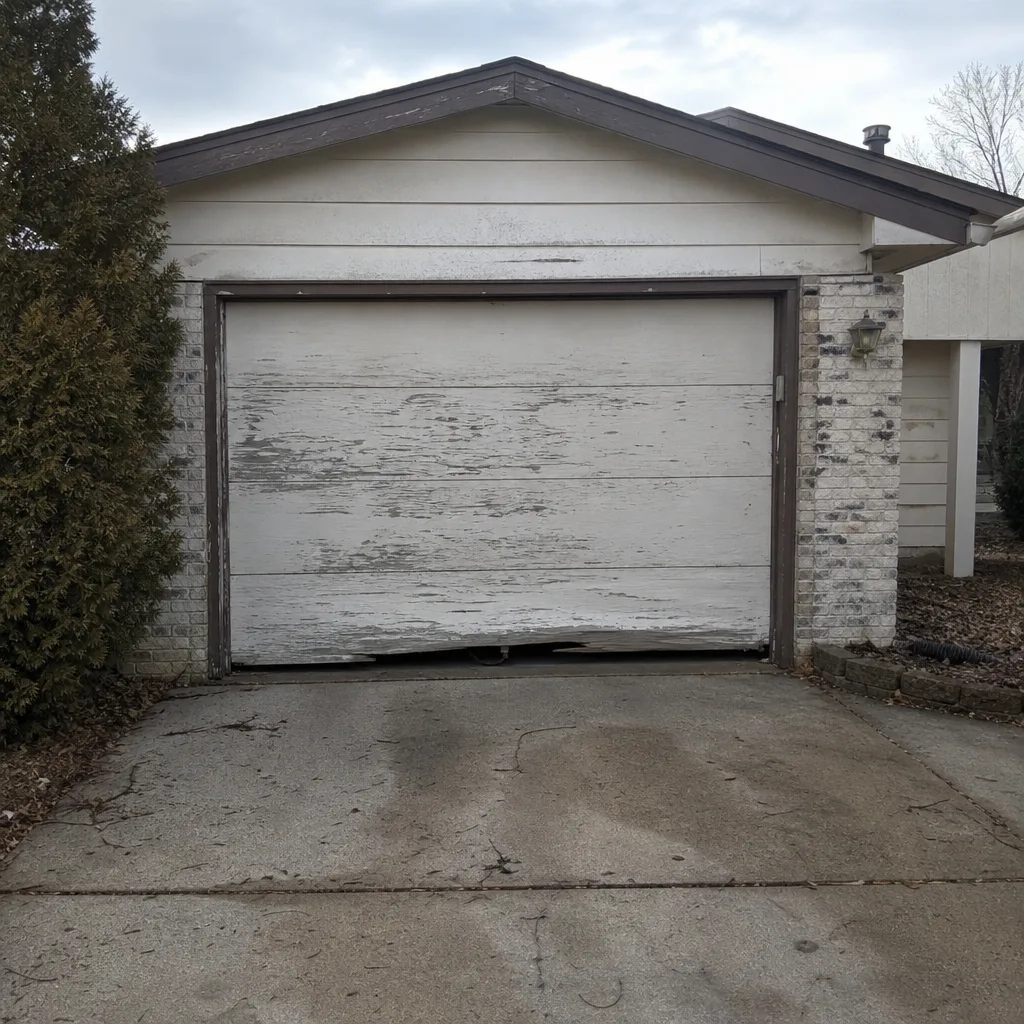 Before
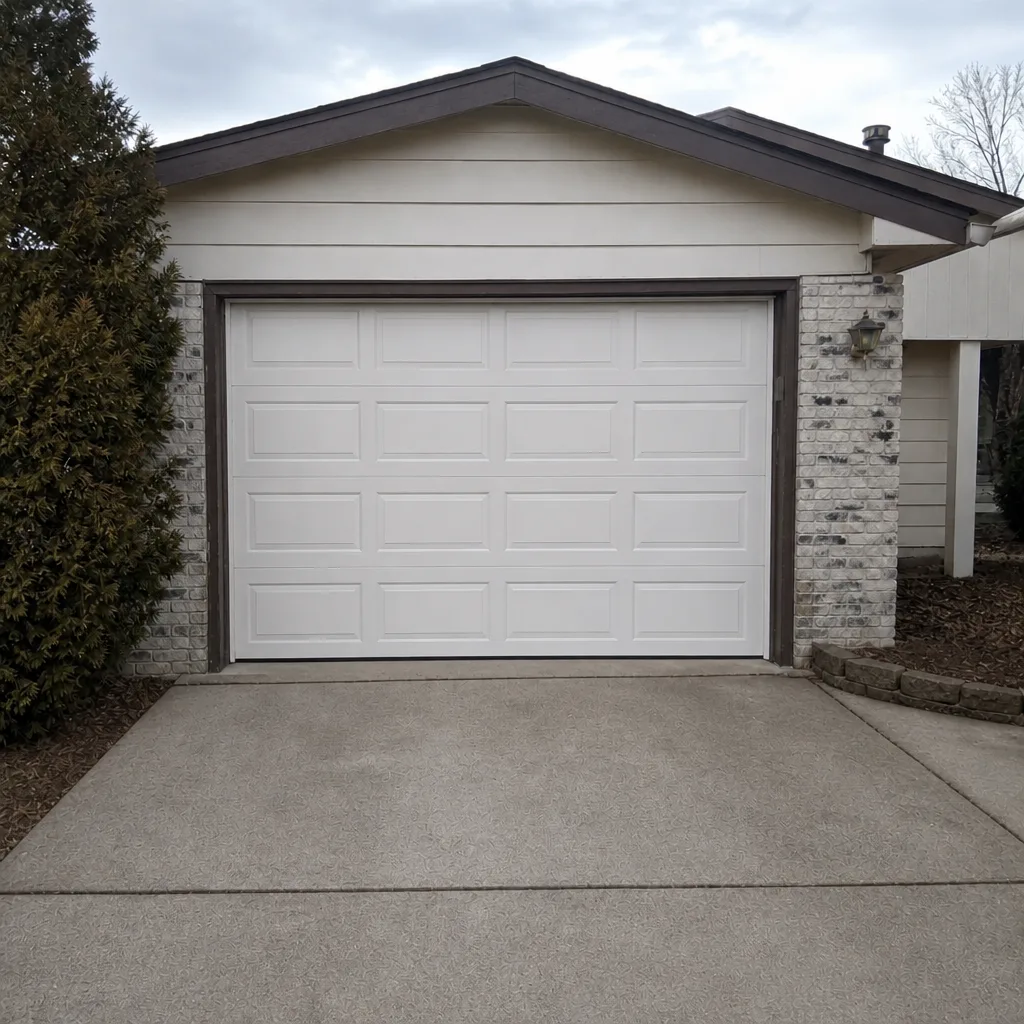 After
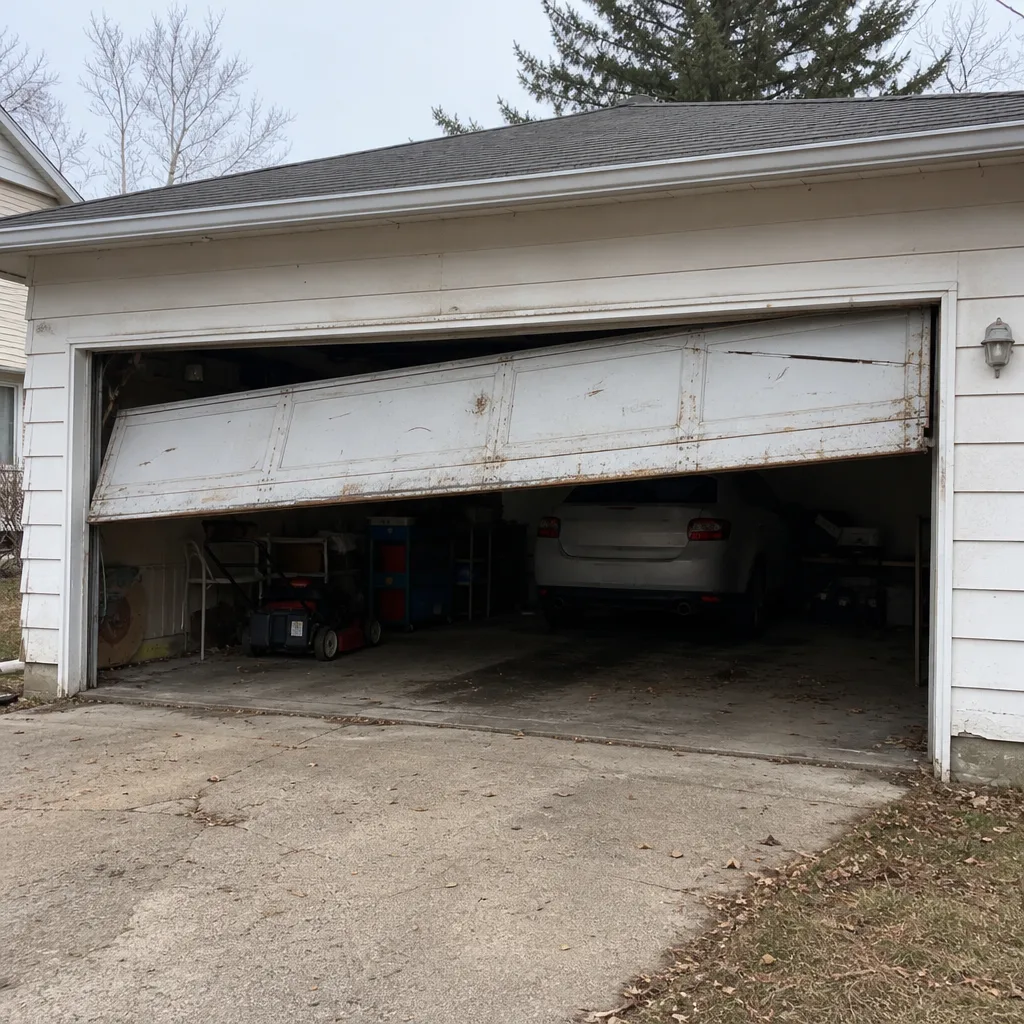 Before
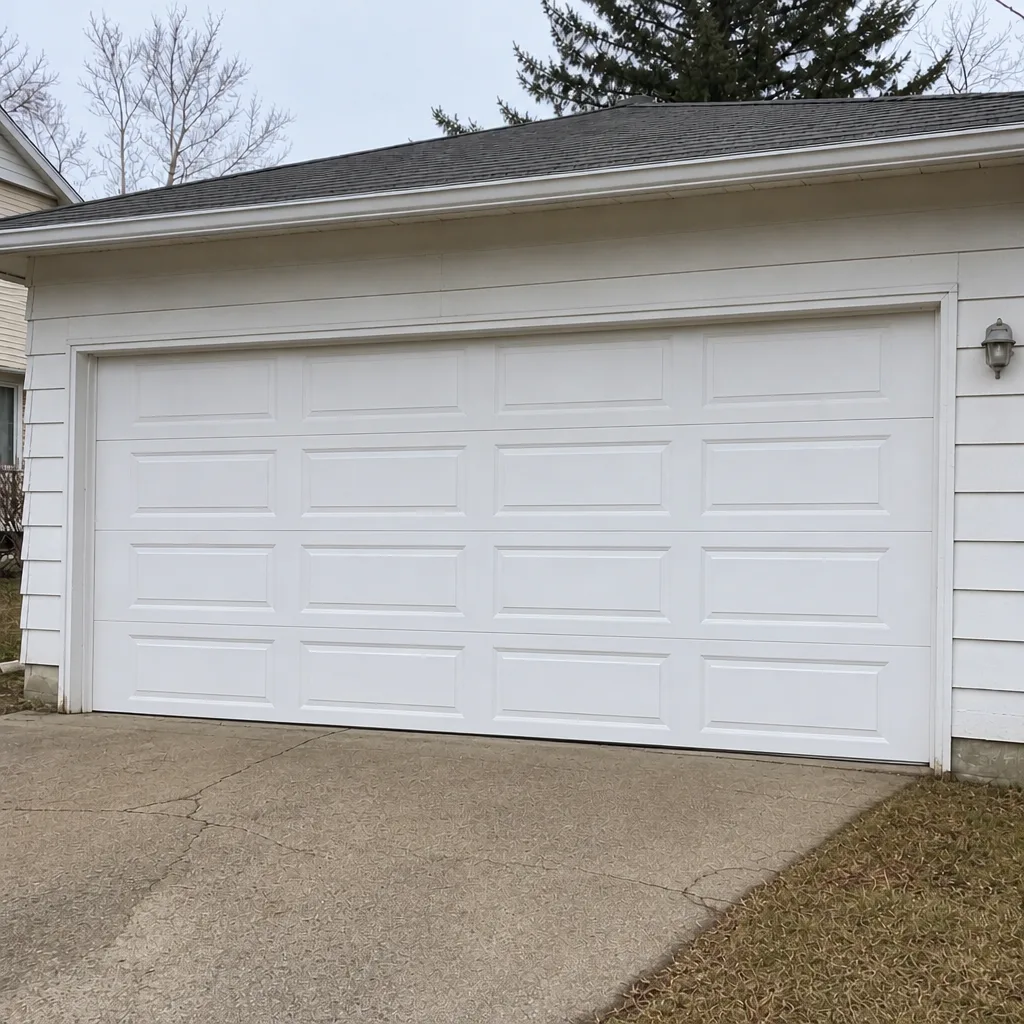 After
Common Mistakes to Avoid
- Ordering the wrong spring. Spring spec depends on wire gauge, inside diameter, and length, and all three need to match the door. A “close enough” spring will short-cycle, uneven the door, or fail early. Match spec, or leave it to a technician.
- Assuming the opener is the problem when the door is. If the door is heavy, binding, or off-track, the opener struggles. Replacing the opener without fixing the door is an expensive way to burn out a good motor. Diagnose the door first.
- Skipping the safety reverse test. The auto-reverse function (tested by placing an object in the door’s path) is the single most important safety feature on the system. Test it a few times a year. If it fails, don’t use the door until it’s fixed.
- Forcing a door that’s off-track. A door that’s come out of its track is a structural problem, not a motivation problem. Forcing it back risks dropping it. Leave it closed, call a technician, and don’t operate the opener.
- Working alone in a cold garage in winter. Minnesota cold adds physical limits (stiff joints, reduced visibility, bulky clothing) that make a bad repair happen faster. If you’re doing a safe job in a cold garage, work in daylight, tell someone, and keep your phone on you.
- Using the wrong lubricant. White lithium grease or a generic household spray is not the right call for garage door rollers and hinges. Use a garage-door-specific lubricant. Wrong lubricant attracts grit and shortens roller life.
- Letting a small panel dent become a full replacement. A single dented panel on a Clopay or Amarr door often doesn’t require a full door replacement. Many panels are field-replaceable. Get an assessment before deciding the whole door is gone.
- Ignoring the door because winter is coming. Fall is the best time to fix a worn cable or a weak spring. Waiting until the first hard freeze makes the job harder, colder, and often more urgent.
When to Call a Professional
Call a professional immediately if any of the following are true: the door is off its track; a spring or cable is visibly broken or frayed; the door won’t close completely; the opener runs but the door doesn’t move; you hear a loud bang from the garage; or you can see a gap in the door’s alignment. Any of those is a stop-use situation, not a “wait and see” situation. For the safe tasks above, DIY is genuinely fine. For everything on that list, don’t. Garage Door Repair Coon Rapids offers free estimates in Coon Rapids. Call (855) 337-1768. We answer 24/7. Fast dispatch from 7am to 7pm, Sunday through Friday.
For a full look at the repair side, visit our Garage Door Repair Coon Rapids page. The written estimate you get from a specialist sets the final price, and the price is quoted and agreed before any work starts.
Frequently Asked Questions
No. A torsion spring holds enough stored energy to cause permanent injury in less than a second, and the winding process is the most dangerous step in the entire trade. This is a professional-only job regardless of your experience level. Call (855) 337-1768 for a free spring estimate.
Torsion spring replacement typically costs $180 to $340 for a single spring, and a matched pair is usually replaced together, so a pair runs about twice that. The written estimate you receive sets the final price, and the price is quoted and agreed before any work starts. Call (855) 337-1768 for an exact quote; estimates are free.
Weatherstripping replacement, photo-eye sensor alignment, garage-door-specific lubrication, opener and remote programming, visual inspection, and roller and hinge swaps with the opener disconnected are all safe DIY tasks. Anything involving springs, cables, bottom brackets, or track realignment under load is not. Call us if you’re unsure which category your job falls into.
Often, yes. A door that’s been running on a failing spring or a frayed cable can damage the opener, the panels, or the track once it finally gives way, which turns a repair into a bigger repair. Early diagnosis is cheaper. Call (855) 337-1768 for a free estimate before the small problem becomes a large one.
Yes, especially in a Minnesota winter. Cold thickens lubricants, shortens daylight, forces bulky clothing, and makes old springs and cables more likely to fail. The dangerous jobs (springs, cables, loaded track work) are even more of a professional call in January and February than they are in summer.
Yes. We regularly pick up jobs where a DIY attempt has left the door stuck, off-track, or partially disassembled. We’ll assess the current state, get it safe, and give you a written estimate for the full repair. Call (855) 337-1768. We answer 24/7, with fast dispatch from 7am to 7pm, Sunday through Friday.
Yes. Our technicians are trained across LiftMaster, Chamberlain, Genie, Clopay, Amarr, Wayne Dalton, Craftsman, and Raynor, which covers the vast majority of doors and openers in Coon Rapids homes. Tell us the brand and model when you call and we’ll be prepared.
The Bottom Line
The DIY vs professional question for garage doors isn’t about how handy you are. It’s about which components carry stored energy and which don’t. Weatherstripping, sensor alignment, lubrication, opener programming, and visual inspections are all safe, money-saving DIY tasks. Torsion springs, extension springs, cables, bottom brackets, and loaded track work are professional-only jobs, and that holds true whether it’s July or a minus-ten January morning in Coon Rapids. Do the safe prep work yourself (measurements, model numbers, clear work area, photos), call a specialist for the dangerous jobs, and get a written estimate before any work starts. Call (855) 337-1768 for a free estimate. We answer 24/7. Fast dispatch from 7am to 7pm, Sunday through Friday. Our technicians have up to 9 years of experience, and garage doors are all we do.
Written by the team at Garage Door Repair Coon Rapids.