
Last updated November 22, 2026
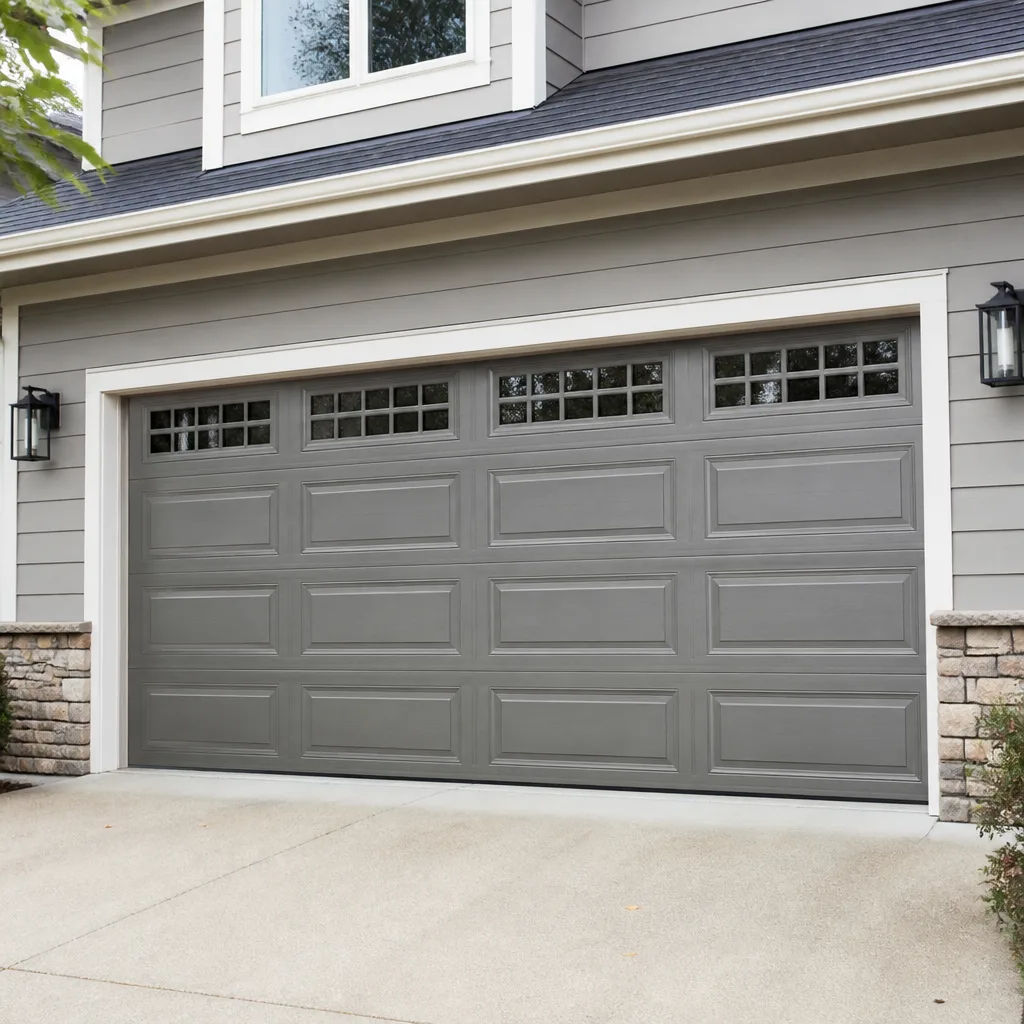 Raised-panel steel
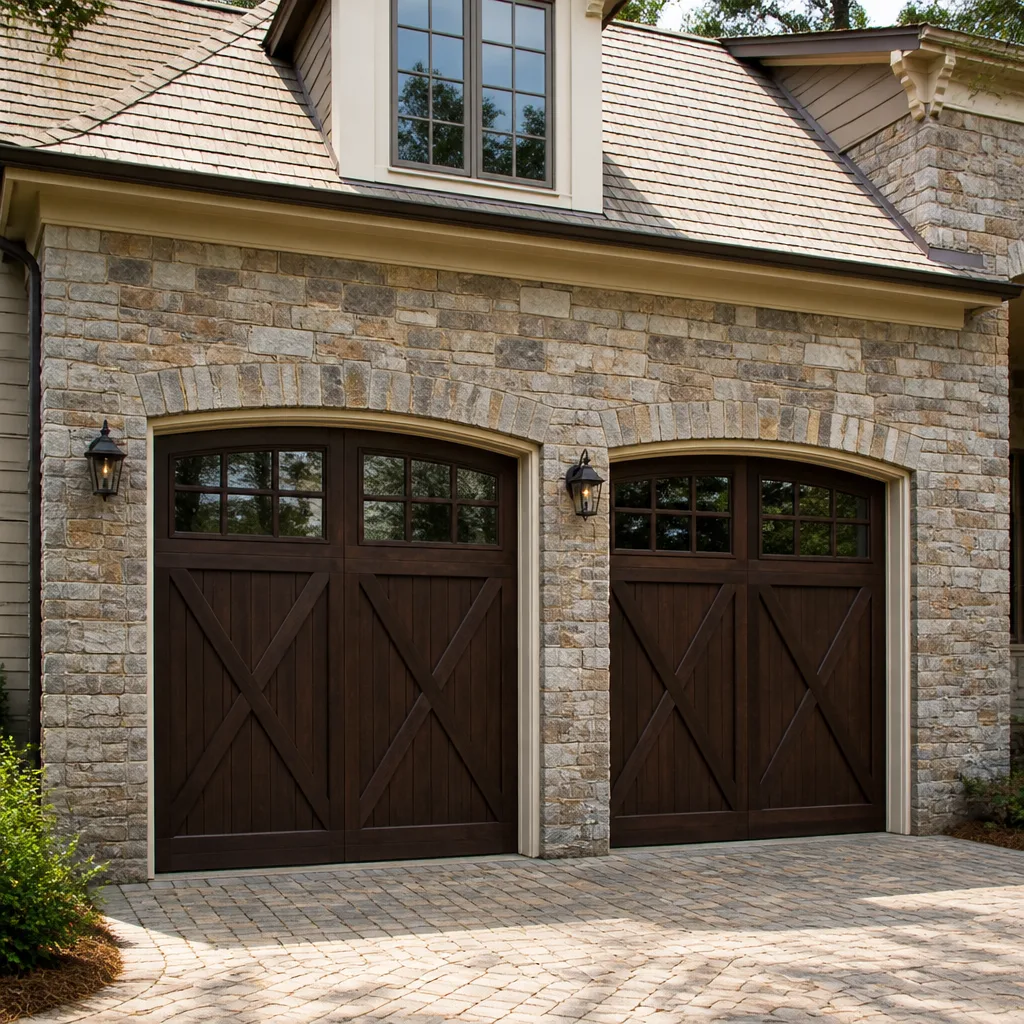 Carriage house
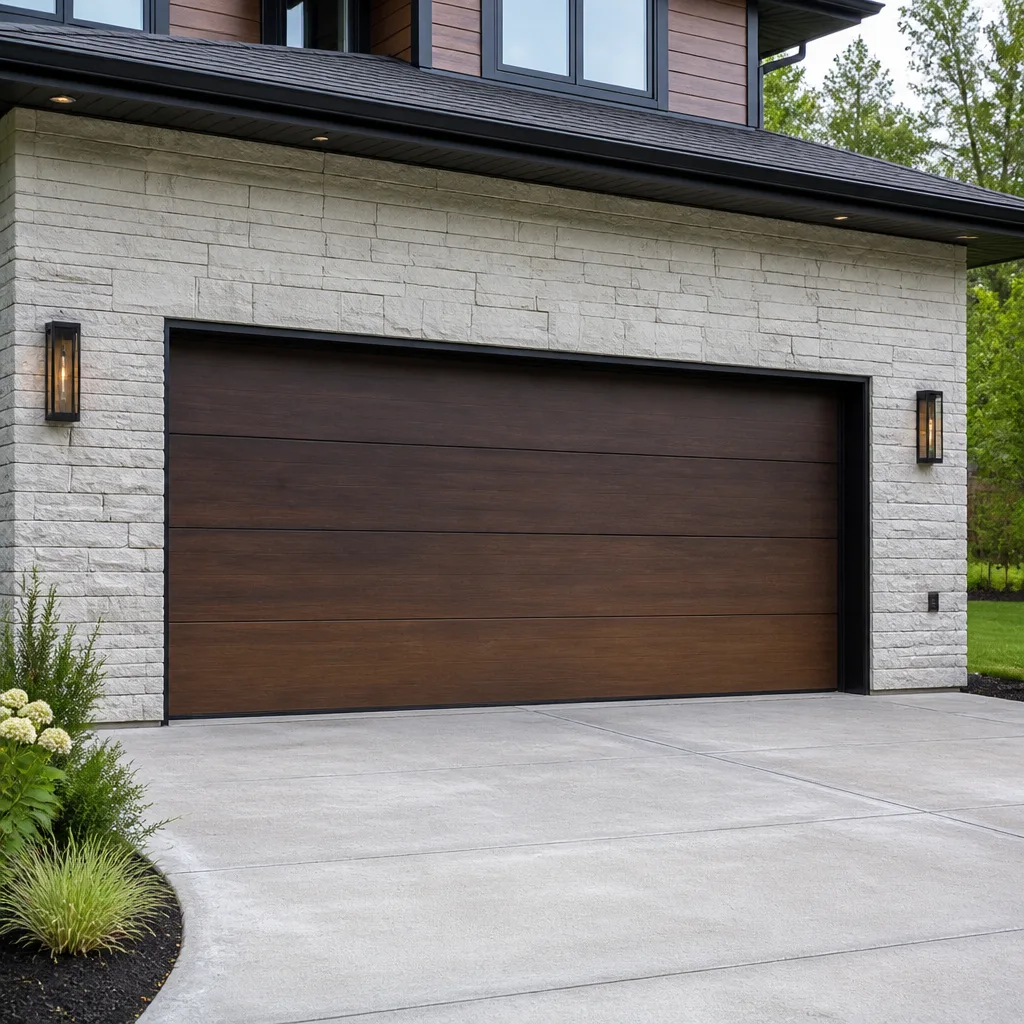 Modern flush
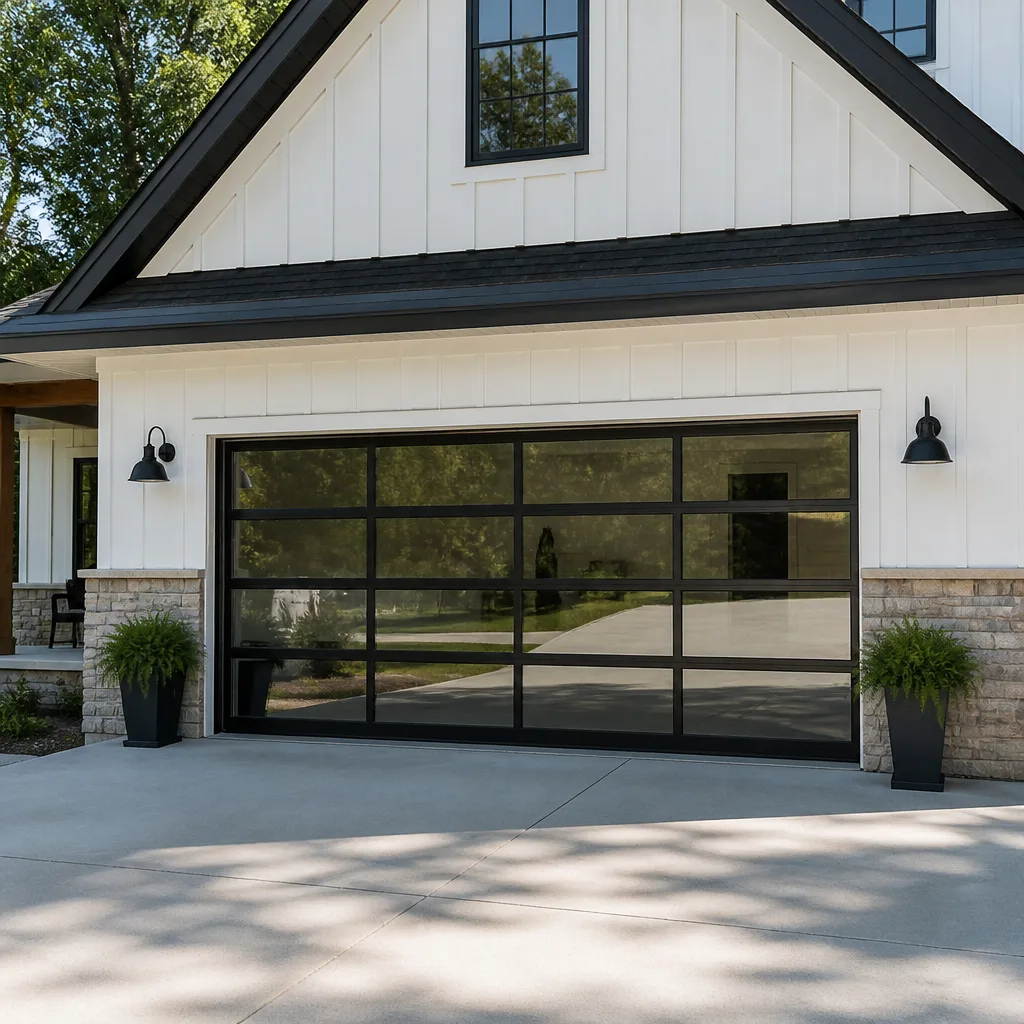 Full-view glass
 LiftMaster openers
 Chamberlain openers
Full 25-point door and opener safety check with every visit - springs, cables, rollers, tracks, and your LiftMaster or Chamberlain opener included
You get a price before we start. It does not change when the pro arrives.
Get your free estimateGarage Door Warning Signs: A Coon Rapids Homeowner’s Reference Guide
A grinding noise is the warning sign homeowners mention most, and it’s also the one they misread most often. Sometimes it’s a dry roller. Sometimes it’s a worn drive gear inside the opener. Sometimes it’s a foreign object jammed in the track. The sound is nearly identical in all three cases, but the fix, the urgency, and the cost are nothing alike. Guess wrong and you either ignore a serious problem or pay to replace a part that was never the issue. Coon Rapids homeowners deal with the same handful of failure patterns we see across the north metro, and almost all of them announce themselves well before the door actually fails.
This guide is built around what you’ll actually notice: sounds, movements, and visual cues. For each one, we explain what it usually means and whether it’s a schedule-it-this-week problem or a stop-using-the-door-right-now problem. That distinction matters more than the diagnosis itself.
Quick Answer
The most important garage door warning signs in Coon Rapids are a door that reverses before closing (which is usually a safety sensor issue in warm months but often a force-limit problem in winter), a cable with visible fraying (stop using the door immediately), a door that jerks or moves unevenly, and a loud bang from the spring area (a broken spring that needs same-day attention). Grinding, squealing, and clicking sounds are usually track, roller, or opener problems you can schedule within a week.
Styles & brands we work with
- Raised-panel steel
- Carriage house
- Modern flush
- Full-view glass
- LiftMaster openers
- Chamberlain openers
Table of Contents
- The Symptom-to-Cause Index
- Warning Sign #1: The Sounds Your Door Makes
- Warning Sign #2: How the Door Moves
- Warning Sign #3: What You See by Eye
- Why Your Door Reverses Before Closing: Summer vs. Winter Diagnosis
- Cable Fraying: The Sign Homeowners Underestimate
- How to Safely Test Door Balance
- Act Now vs. Monitor: Which Signs Need Same-Day Service
The Symptom-to-Cause Index
Before you read further, look at what you’re noticing and match it to a likely cause. This index organizes signs into the three ways homeowners experience a failing door: sound, movement, and sight. In our experience working on doors across Coon Rapids, most failures below are caught while they’re still cheap to fix, if the homeowner knows what to look for.
- Grinding: Worn rollers, a dry torsion bearing, or a drive gear in the opener. Usually a schedule-within-a-week issue.
- Squealing or squeaking: Rollers or hinges that need lubrication, or a worn roller stem. Low urgency until it’s accompanied by jerky movement.
- Banging on close: Loose panels, a failing opener force setting, or a worn bottom bracket. Schedule within a week.
- Loud bang on open or close: A broken torsion spring. Stop using the door and call immediately.
- Clicking, then nothing: Opener logic board failure, a dead capacitor, or the safety sensor circuit tripping. Often fixable in one visit.
- Jerky, uneven lifting: A torsion spring wearing out unevenly or a bent track. Schedule within a week; use the door sparingly.
- Slow or sluggish movement: Failing opener motor or a door dragging in its track. Diagnose before using it further.
- Door reverses immediately: Sensor issue in warm months; force limit in winter. See the seasonal section below.
- Visible cable fraying or curling: Stop using the door today. Cables are under extreme tension.
- Rust streaks, sagging panels, or a gap at the bottom: Weather or structural issue. Monitor and schedule.
When you’re ready to get any of these looked at, our Garage Door Repair Coon Rapids team answers the phone 24/7 so you’re not leaving a message and hoping.
Warning Sign #1: The Sounds Your Door Makes
A door that used to run quietly and now announces itself every morning is telling you something is wearing. Sound is the earliest and easiest warning to catch, but it’s also the easiest to misread. Here’s how to tell which noise points to which cause, and why a grinding sound especially deserves careful attention.
Grinding is the misidentification champion. It can come from the rollers (usually the wheel surface scraping its track), from the opener’s drive gear (plastic gears in many openers wear down to nubs and grind against metal), or from a physical obstruction – a stone, a stray bolt, a piece of the door’s own hardware wedged where it shouldn’t be. The immediate urgency depends on which one it is. A worn roller is a small repair. A failing drive gear means the opener may jam mid-operation and eventually stop working altogether. An obstruction can bend the track. None are emergencies, but all need looking at sooner rather than later.
Squealing tends to come from unlubricated hinges or a roller whose stem has worn down. It’s the least urgent sound on this list. If you hear squealing plus a jolt at the same point in the door’s travel, though, the roller is likely failing and should be replaced.
That sudden, loud bang – the one that sounds like a gunshot from the garage – is almost always a broken torsion spring. It doesn’t get quieter, and the door usually won’t lift without a person straining under it or won’t lift at all. We’ve handled enough of these that we treat them as the single plainest emergency signal a garage door sends. That’s a call-now replacement of the garage door spring repair type. For safety’s sake, don’t try to run the opener after that bang. The spring is what balances the weight, and without it the door can fall.
Clicking, then nothing, usually means the opener is trying to fire but something in its chain is broken – most often the logic board, a capacitor, or a circuit tripped by the safety sensors. If you’re hearing one click and silence, don’t keep pressing the remote. Further attempts can damage the opener. That’s a job for garage door opener repair, and it’s often a same-day visit.
Warning Sign #2: How the Door Moves
Movement tells you two things: the health of the opener and the health of the balancing system. A door that moves cleanly and quietly is doing its job. A door that hesitates, jerks, drifts, or reverses is telling you something specific broke. Here’s the breakdown.
- Jerky, uneven lifting: The door shudders as it rises, or one side lags behind the other. This usually means a torsion spring has lost tension or one of the pair is weaker than its partner. It can also mean a bent track or a binding roller. Use the door sparingly until it’s inspected. In Coon Rapids’ winter cold, torsion springs become more rigid and prone to snapping, so a door that jerks subtly in November often fails entirely by January.
- Slow, sluggish movement: The opener struggles to lift the door and the whole cycle feels labored. This can be a failing opener motor, a door dragging in its track, or a spring that’s no longer carrying the weight it should. Diagnose the spring first (see the balance test below) before assuming the opener is the problem.
- The door lifts partway and stops: The opener’s force limit has been tripped by a heavier load than it’s set to handle. That could be a failing spring or a binding track. It can also mean a door hitting an obstruction halfway up. Don’t reset the force setting to “fix” this; you’ll just be hiding a mechanical problem behind a stronger motor.
- The door reverses immediately on closing: Most homeowners know this as a sensor problem, and in summer it usually is. In winter, the diagnosis shifts. See the dedicated section below.
- The door slams shut instead of easing down: The door’s closing force is too high, or the bottom bracket or weather seal is damaged. Panels can crack on repeated slams, so this one isn’t cosmetic. Schedule within the week.
In our experience working on doors across Coon Rapids, movement problems are the ones most likely to turn into more expensive repairs if ignored. A jerky door typically signals one spring failing; ignoring it long enough often means replacing a matched pair instead of one. That’s the cheapest upgrade from a cheap repair to a costly one.
Warning Sign #3: What You See by Eye
Some warnings you can spot standing in the driveway without running the door at all. A quick visual check once a month is worth more than you’d think, especially in this climate where freeze-thaw cycles work on tracks and seals year after year.
- Cable fraying or curling: Look at the steel cables running from the bottom corners of the door up the sides. If you see broken wire strands, a cable that looks like a bird’s nest, or a cable hanging loose, the door has an active safety risk. Stop using the door and call today. See the dedicated section below.
- Rust streaks along the track or rollers: Rust on the roller stems makes them bind; rust in the track makes the door drag. Both are progressive problems, not sudden ones. Schedule a tune-up within the week.
- A gap at the bottom of the door: A visible strip of daylight along the floor means the weather seal is worn, the bottom bracket is bent, or the door isn’t closing all the way. Gaps invite cold air, water, and small animals into the garage. Not urgent, but worth fixing before winter.
- Sagging panels or a door that looks “tilted”: One side of the door sits higher than the other when closed. This is a track or cable issue and should be inspected before it becomes a track that’s fully off its hangers.
- Springs that look stretched-out or have visible gaps: Torsion springs should look tight and uniform. Extension springs (the long ones running parallel to the track on each side) shouldn’t look elongated or have a visible gap in the coil. Either one points to a spring near the end of its life.
- Loose hinges, bolts, or brackets: Vibration loosens hardware over time. Take a walk around the inside of the door once a month with a wrench handy.
When we service Coon Rapids doors, we run the visual check, listen to the door on a full open-close cycle, and test the balance. That combination catches nearly every issue before it becomes an emergency, and it’s what makes a tune-up cheaper than a repair. If any of these have gone from “interesting” to “concerning,” a garage door repair visit gets it sorted.
Why Your Door Reverses Before Closing: Summer vs. Winter Diagnosis
A door that reverses before closing is a safety system working exactly as designed, but the reason it’s triggering changes with the season. In Coon Rapids’ warm months, it’s almost always the safety sensors. In winter, it’s usually the force limit. Telling them apart takes one minute and one clear look at the sensors.
Warm-weather diagnosis: the safety sensors
The two small lenses at the base of the track – one on each side of the door – shoot an invisible beam between them. If anything breaks that beam, the door reverses. Common causes in warm months:
- The lenses are dirty. Wipe them with a soft cloth.
- The lenses are misaligned. Both small indicator lights should be solid. If one is blinking, the lenses aren’t aligned.
- Something is blocking the beam – a stored item, a shovel, a sagging piece of trim.
- Sunlight is hitting one lens directly. Throw a small shade or reposition the sensor.
If any of those four fixes works, you’re done. If none of them do and both indicator lights are solid, you’re likely looking at the force limit instead.
Cold-weather diagnosis: the force limit
In winter, cold stiffens the door’s weather seals, tightens the springs, and thickens the grease in the tracks. All of that makes the door harder for the opener to move, and the opener’s force limit – the setting that protects the door from moving on something it shouldn’t – trips. The door reverses because it thinks it’s meeting resistance. It usually isn’t the sensors at all. In our experience, this is the single most common winter call we get from Coon Rapids.
What you should NOT do is turn the force limit up. That setting exists to keep the door from crushing something it shouldn’t. If it keeps tripping, something is dragging, and the fix is to find what’s dragging. That means checking the weather seal, the tracks, and the spring balance. If the door reverses even in mild cold, call us and we’ll diagnose it in person. Adjusting an opener’s force setting incorrectly is a safety risk, not a convenience fix.
A quick way to tell the difference
If the door reverses in warm weather and the sensor lights look fine, or if the door reverses in cold temperatures specifically, it’s likely a force-limit issue. If the door reverses in any temperature and either sensor light is blinking or off, it’s a sensor issue. Both are worth a professional look if the simple fixes don’t resolve it – and neither should ever be fixed by disconnecting the safety sensors, which is one of the most dangerous things you can do with a garage door.
Cable Fraying: The Sign Homeowners Underestimate
A frayed cable isn’t cosmetic. It’s the warning sign we most often find when a door has gone from “looks fine” to “a corner of the door has dropped.” Cables carry enormous tension, and when a cable fails, the door can slam or rack, which bends panels and can pull the track off its brackets. This is the one visual cue that moves straight to the top of the urgency list.
What to look for:
- Broken wire strands – look for a “fuzzy” or “bird’s nest” appearance where individual wires have snapped and curled back on themselves.
- A cable that’s gone slack and is hanging away from the drum. Slack means the tension is gone somewhere else.
- A cable that’s come out of the drum on one side – this usually means it’s tracking wrong, which is a spring or drum problem as much as a cable problem.
- Rust on the cable – rust weakens the wire and is a slow path to failure.
If you see any of these, don’t run the door. Don’t try to rewind the cable yourself. Cables are under tension from the torsion springs at the top of the door, and if a cable is released at the wrong moment, the door can fall. This is a job for a trained technician, which is why spring and cable work is a core part of what our spring repair service covers.
In Coon Rapids, the cold months make cable problems worse. Ice and road salt tracked into the garage corrode the cable, and cold temperatures make the metal brittle. A cable that’s fine in June can be ready to fail by the following spring. If your door is ten or more years old, a yearly visual check of the cables is worth the two minutes it takes – and a professional tune-up catches what you might miss.
How to Safely Test Door Balance
A balanced door should hold its own weight at the halfway point. Unbalanced door means the springs aren’t carrying the load they should, and the opener is doing work it wasn’t designed for. Testing balance is simple and safe if you do it correctly, and it tells you a lot about spring health without putting anyone near the torsion springs themselves.
Here’s the safe test:
- Close the door completely. Make sure no one is in the garage, and keep the area around the door clear.
- Pull the manual release cord (the red-handled one) to disconnect the door from the opener. The opener should stop moving the door at this point.
- Lift the door by hand to about waist height – roughly the halfway point – and let go gently.
- Watch what happens. A balanced door stays roughly where you left it. A door that drops is unbalanced and getting heavier (the springs aren’t lifting enough). A door that rises on its own is also unbalanced, just in the other direction.
- Gently push the door back down to fully closed, then reconnect the opener by pressing the wall button once. The door should re-engage the carriage.
An unbalanced door shouldn’t be run with the opener until it’s looked at. Running it will wear the opener faster and, when a spring gives out, the door can drop unexpectedly. An unbalanced door is the single clearest sign that the springs aren’t at their best. It doesn’t mean the springs are about to snap tomorrow, but it does mean they’re already losing the fight.
Never try to test, adjust, or replace the torsion springs themselves. Those are under extreme tension and require specialized tools. The one call homeowners make that we’d urge them to make earlier rather than later is when the balance test fails. It’s the cheapest repair on the list – a tune-up or one spring – versus the most expensive – a door drop, a bent track, or a panel replacement. If you’re unsure what your test result means, call us and we’ll talk it through. Estimates are free.
Act Now vs. Monitor: Which Signs Need Same-Day Service
The hardest part of interpreting a warning sign is deciding how fast to act. Too fast and you’re paying for a house call on a small problem. Too slow and a cheap fix becomes a big one. Here’s how we break it down for Coon Rapids homeowners.
Act now – same-day attention
- A loud bang from the spring area with the door no longer lifting. Broken spring. Don’t use the door; call.
- Visible cable fraying or a cable hanging slack. Active safety risk. Stop using the door today.
- A door that’s come off its track or is visibly racked at one corner.
- A door that reversed onto an object, a person, or a pet. This means a safety system failed. Don’t use the door until a technician confirms both the sensors and the force settings.
- Your car is trapped in the garage and you need it to get out. We treat lock-in as a real call, not an upsell.
Schedule within the week
- Grinding or squealing from the rollers, track, or opener.
- Jerky or uneven movement on lift.
- A door that reverses in cold weather but closes fine when warm.
- Visible rust, a gap at the bottom, or a sagging panel.
- A balance test that fails but doesn’t show a broken spring.
Monitor – keep an eye on it
- Loose hardware you can tighten yourself.
- A weather seal that’s just starting to show wear, before cold weather.
- Opener lights that flicker or a remote that needs a fresh battery.
For anything in the “act now” column, emergency garage door service is the right call. That’s the service we built this business around, and it’s available on real emergencies. For anything in the “schedule within the week” column, same-day service is often possible, and a garage door opener repair or roller replacement can usually be handled in one visit. If your door won’t open or won’t close at all, don’t wait to see whether it sorts itself out.
Common Mistakes to Avoid
- Greasing the torsion springs. Springs don’t need to be oiled – the parts that need lubrication are the rollers, hinges, and bearing plates. Greasing the springs themselves just attracts grit. In our experience, this is the most common DIY mistake we see in Coon Rapids garages.
- Forcing the door up by hand when it won’t lift. A door that won’t lift with normal effort usually has a broken spring or a jammed track. Forcing it can bend panels, pull the track, or drop the door. Call for repair instead of fighting it.
- Turning up the opener’s force limit to make the door close. The force limit is a safety feature, not a power setting. Raising it because the door keeps reversing hides a real problem – worn springs, a dragging track, or an obstruction.
- Ignoring a frayed cable because the door still works. The door working today is not evidence that the cable is fine. A cable has failed the moment it’s frayed, and the door is on borrowed time. Coon Rapids winters shorten that borrowed time.
- Assuming a door that reverses in winter needs new sensors. It might. But in this climate it more often needs a look at the force limit and the weather seals, and homeowners frequently replace working sensors while leaving the actual problem untouched.
- Replacing the opener when the springs are the problem. A slow or labored door is usually a balance problem, not an opener problem. Test the balance first. Buying an opener for a spring issue is one of the pricier misdiagnoses we see.
- Doing torsion spring or cable work yourself. The tension these components carry is enough to cause serious injury. We don’t recommend it, and no repair guide should convince you otherwise. This is the one warning sign that belongs in the hands of a trained technician.
See the difference
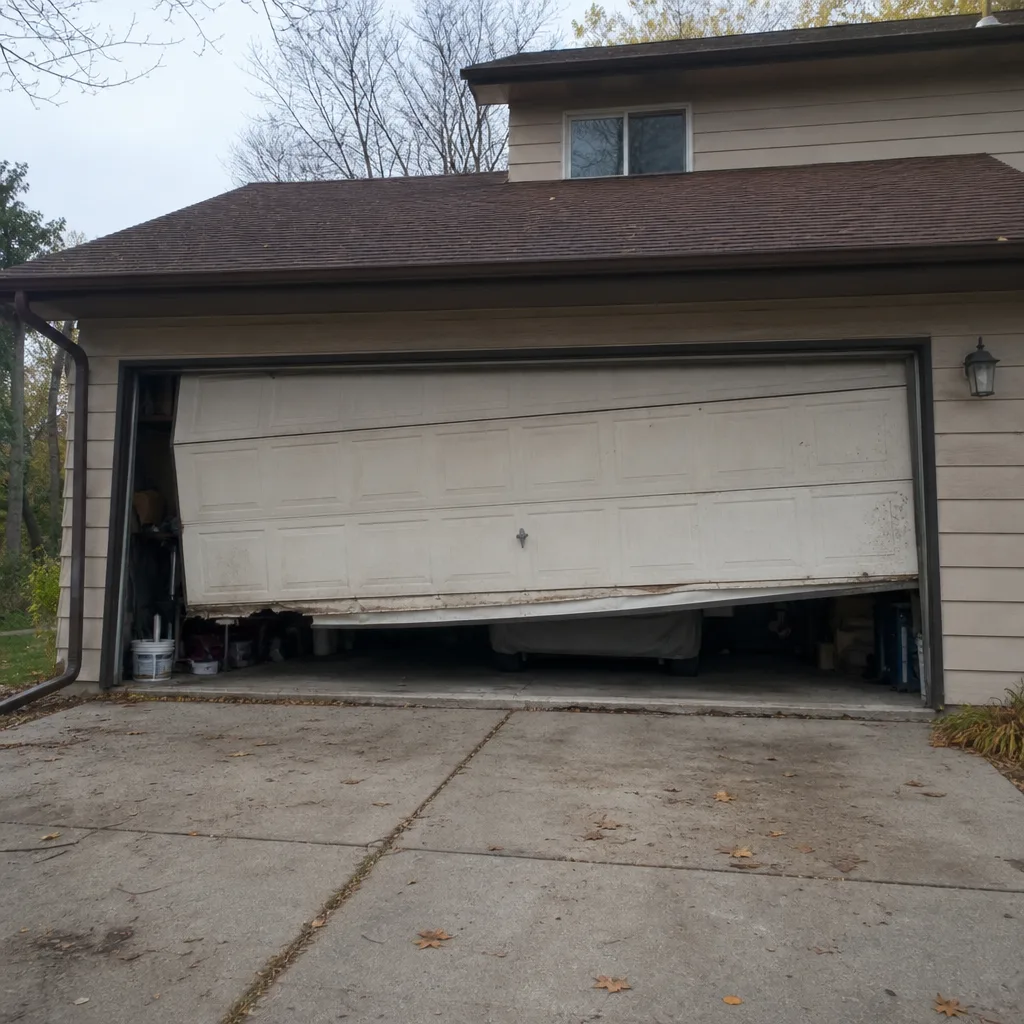 Before
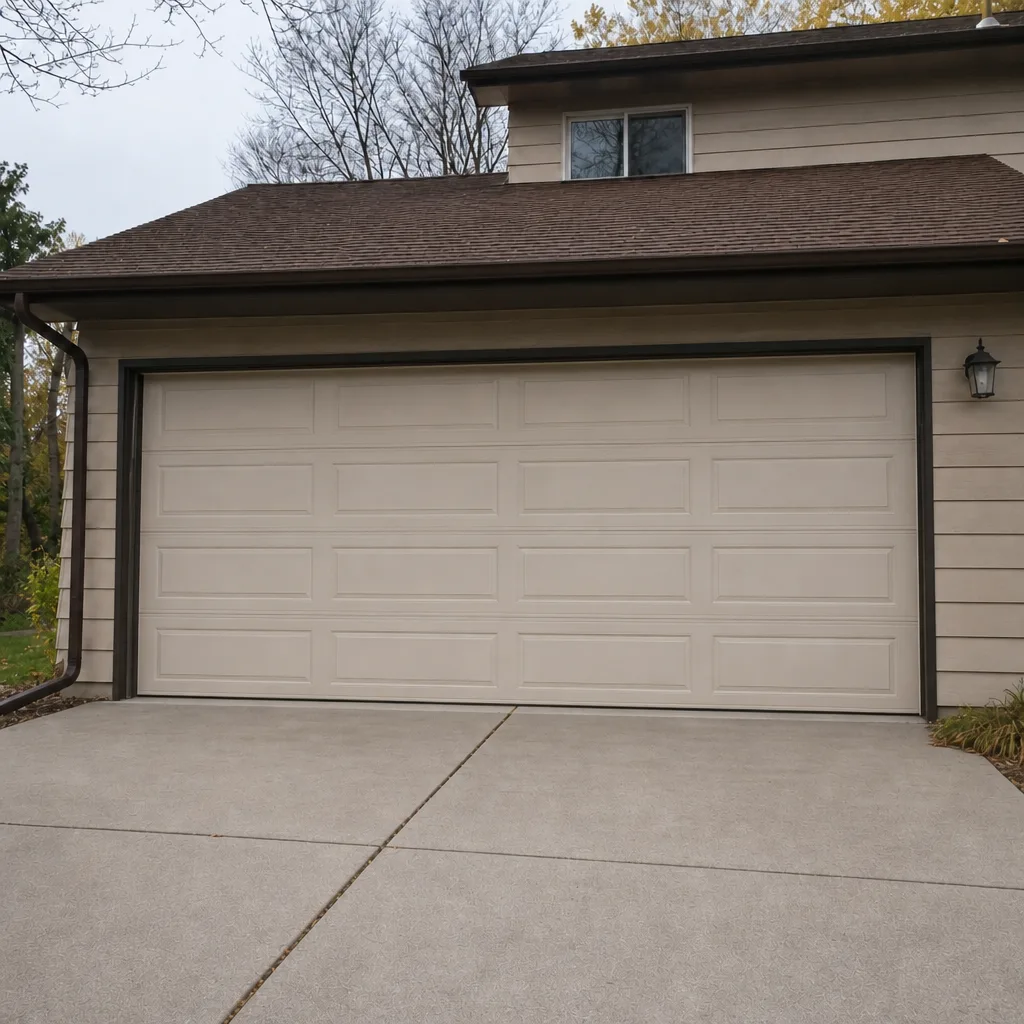 After
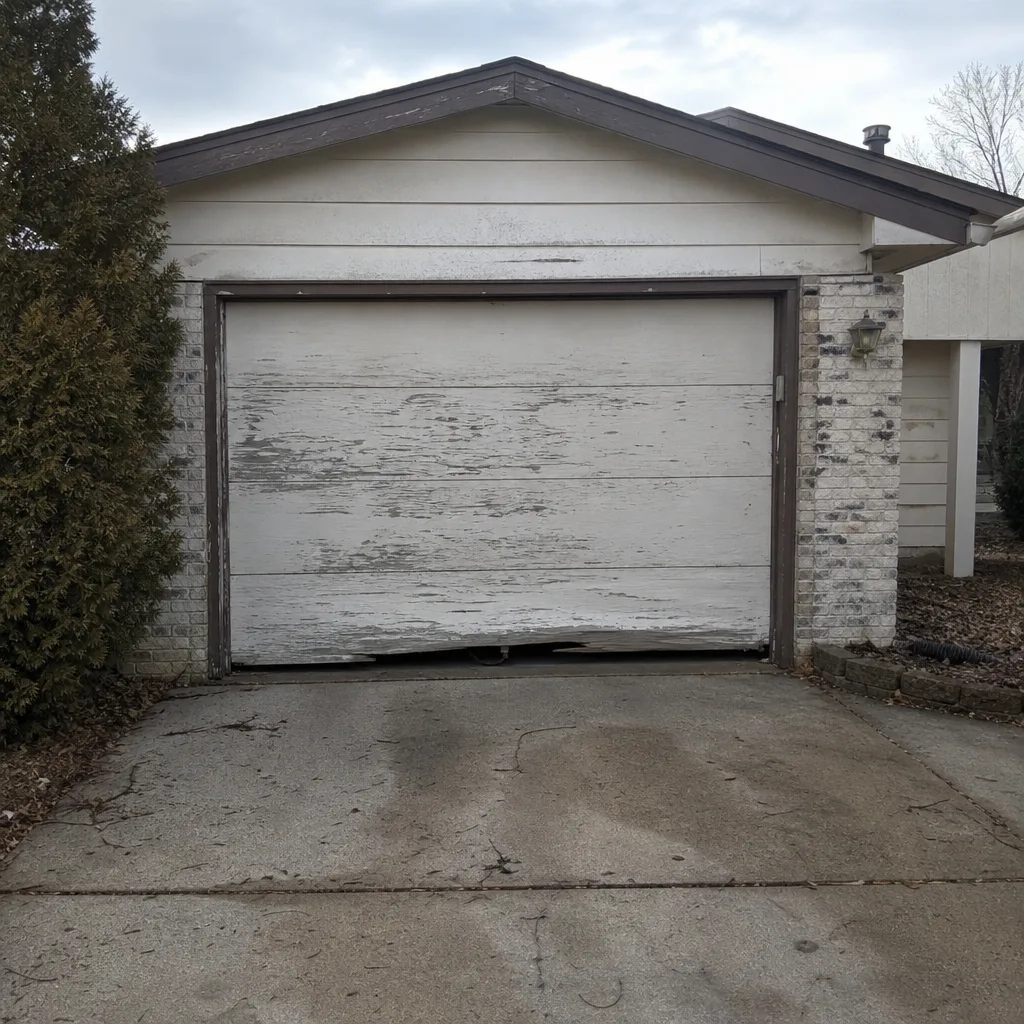 Before
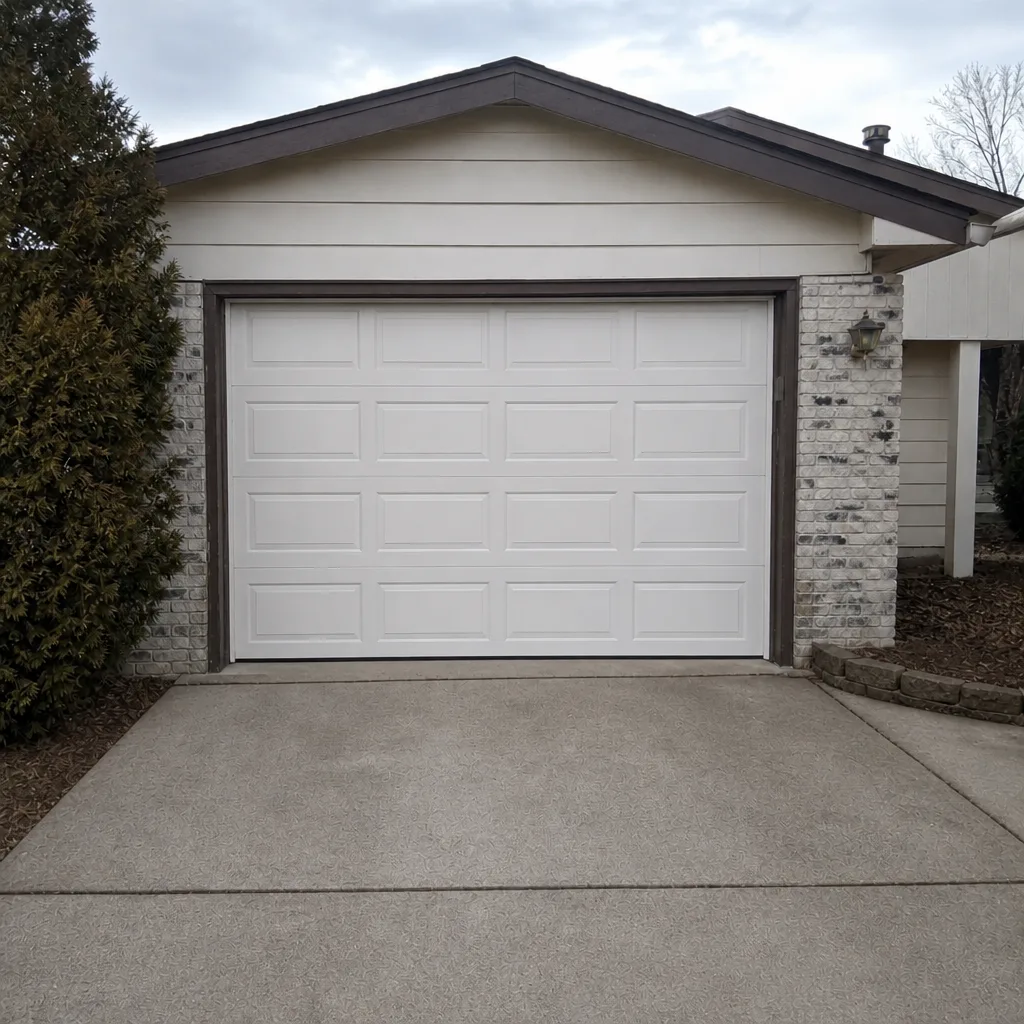 After
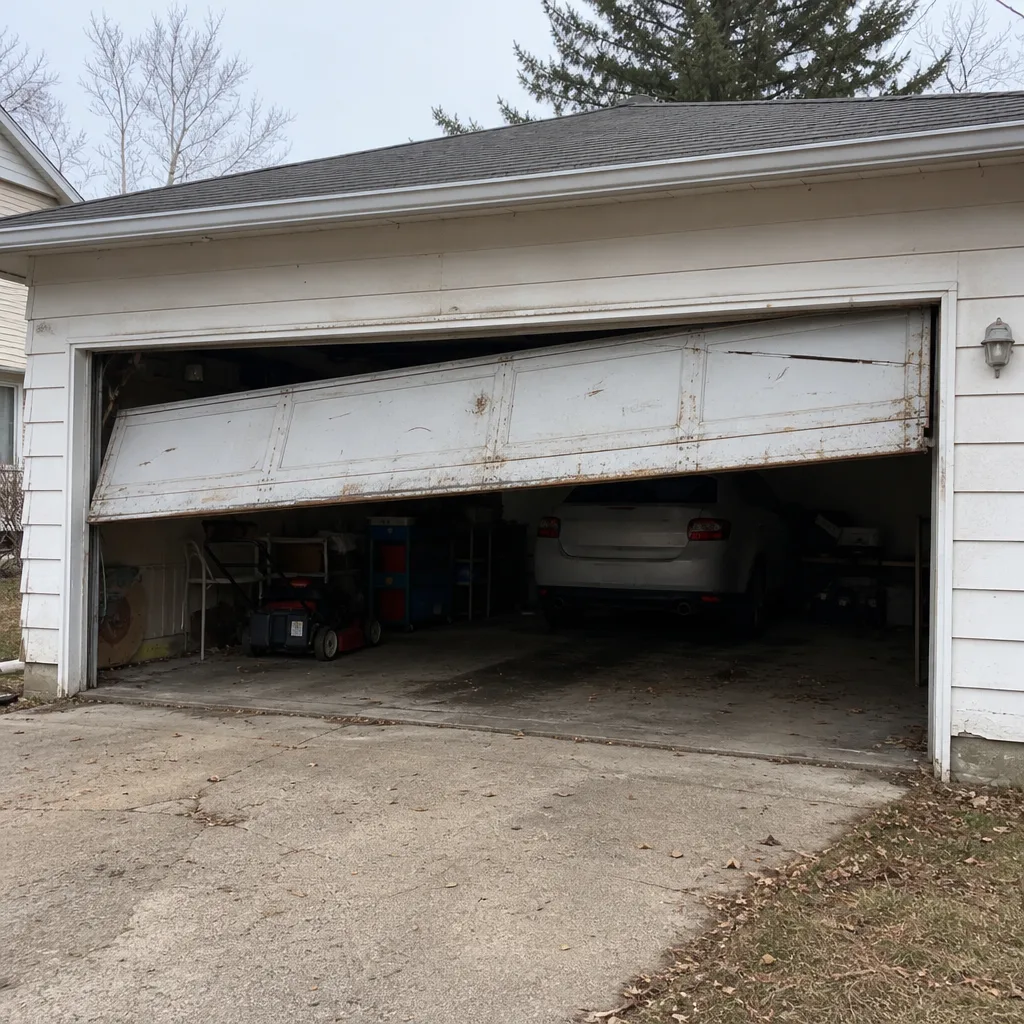 Before
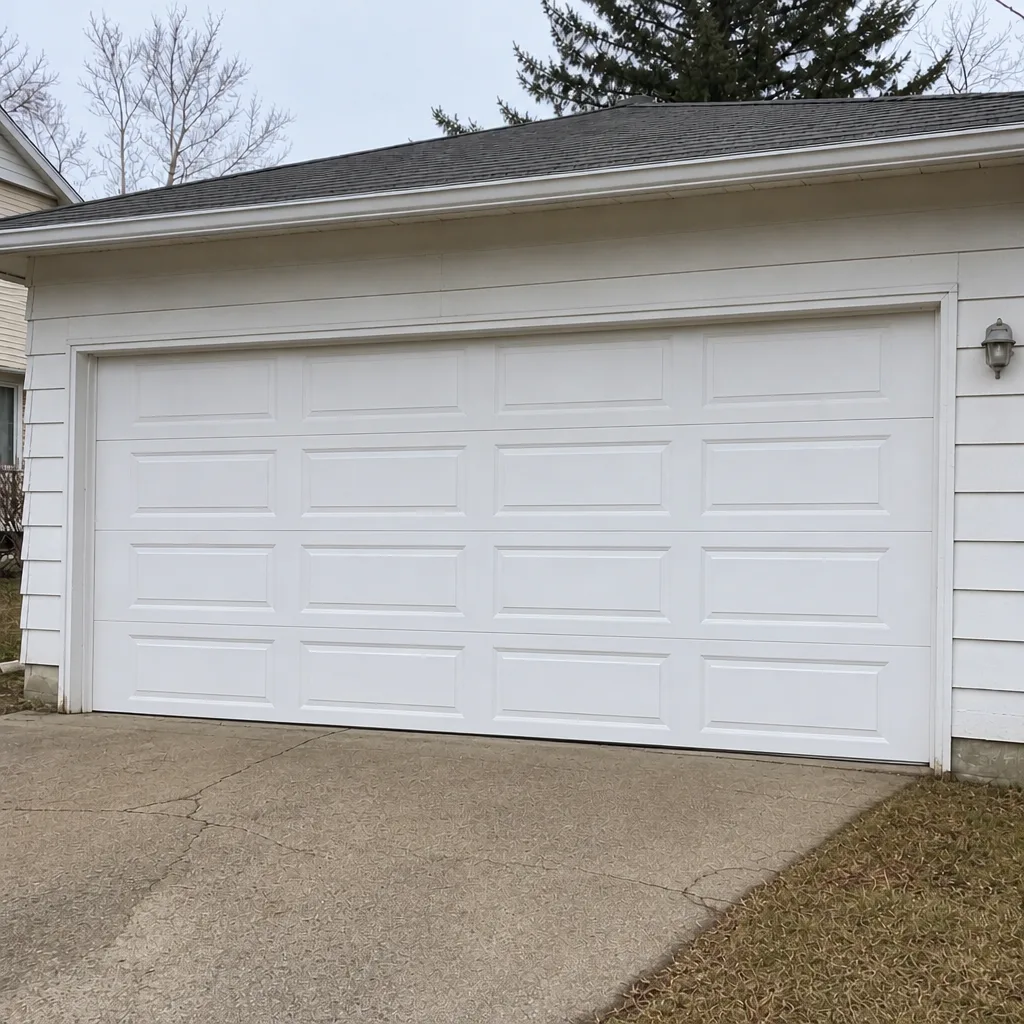 After
When to Call a Professional
Call a professional whenever the door is doing anything that could turn a small repair into a big one, or anything that belongs on the “act now” list: a bang from the spring area, a door that won’t lift, a frayed cable, a door off its track, or a door that reversed onto an object. In our experience, the technicians who work on these doors across Coon Rapids have up to 9 years of experience, and they work with the brands you’re likely to find in a Coon Rapids garage – Craftsman, Raynor, LiftMaster, Chamberlain, and the rest of the eight major brands. We work on your brand, and we only work on garage doors.
For a free estimate in Coon Rapids, call (855) 337-1768. The price is quoted and agreed before any work starts, and the written estimate is what you’ll pay.
Frequently Asked Questions
The most serious garage door warning signs are a loud bang from the spring area, visible cable fraying or slack, and a door that has come off its track. Each of these is an active safety risk and warrants same-day attention. A door that reverses onto an object or a person is equally serious, because a safety system has failed. Call (855) 337-1768 and we’ll get it looked at. We answer 24/7, with fast dispatch from 7am to 7pm, Sunday through Friday.
Because winter turns a safety-sensor problem into a force-limit problem. Cold stiffens the door’s seals and tightens the springs, which makes the door harder for the opener to move, and the opener’s force limit trips because it senses resistance. The fix is usually found in the weather seals, the tracks, or the spring balance, not the sensors. If a warm-season reversal reverses the situation, it’s usually a dirty or misaligned sensor instead. In either case, don’t raise the force setting to work around it. Call (855) 337-1768 for a free estimate.
Same-day service is often possible for repair calls, and it’s the norm for the urgent ones: a broken spring, a trapped car, a door off its track. Emergency garage door service is a real, named offering for us, not an upsell. Call (855) 337-1768 and we’ll tell you what’s available for the day. We answer 24/7.
Spring repair in Coon Rapids is typically quoted per spring, with a matched pair quoted together since most doors replace both at the same time. The price is set by a written estimate after a technician inspects the door, and it’s agreed before any work starts. A grind or a squeak is not the same as a bang: if you’ve heard the bang, don’t use the door. Call (855) 337-1768 for a free estimate.
Yes. A frayed cable is an active safety risk, not a cosmetic issue, because cables carry extreme tension and the door can drop or rack if one fails. Stop using the door and call today. Don’t try to rewind or replace the cable yourself. Call (855) 337-1768 and we’ll dispatch a technician. We answer 24/7, with fast dispatch from 7am to 7pm, Sunday through Friday.
No. The written estimate is the price, and it’s agreed before any work starts. If a technician finds an additional issue while working, they’ll explain it, quote it, and get your agreement before doing anything about it. There are no surprises on the invoice. Call (855) 337-1768 for a free estimate – we’ll walk you through what the door needs.
The Bottom Line
Garage doors telegraph failure well in advance, if you know which signs to watch. Sounds tell you what’s wearing, movement tells you what’s dragging or failing, and visual cues tell you what’s about to break. The loud bang from a broken spring and the visible fraying of a cable are the two signs that mean stop using the door today. Almost everything else gets a scheduled visit and a free estimate before it becomes expensive. If you’re in Coon Rapids and any of the signs in this guide have started showing up, call us and we’ll take a look. We work on your brand, we only work on garage doors, and the price is set before the work begins.
Call (855) 337-1768 for a free estimate. We answer 24/7. Fast dispatch from 7am to 7pm, Sunday through Friday, closed Saturday.
Written by the team at Garage Door Repair Coon Rapids.