
Last updated November 22, 2026
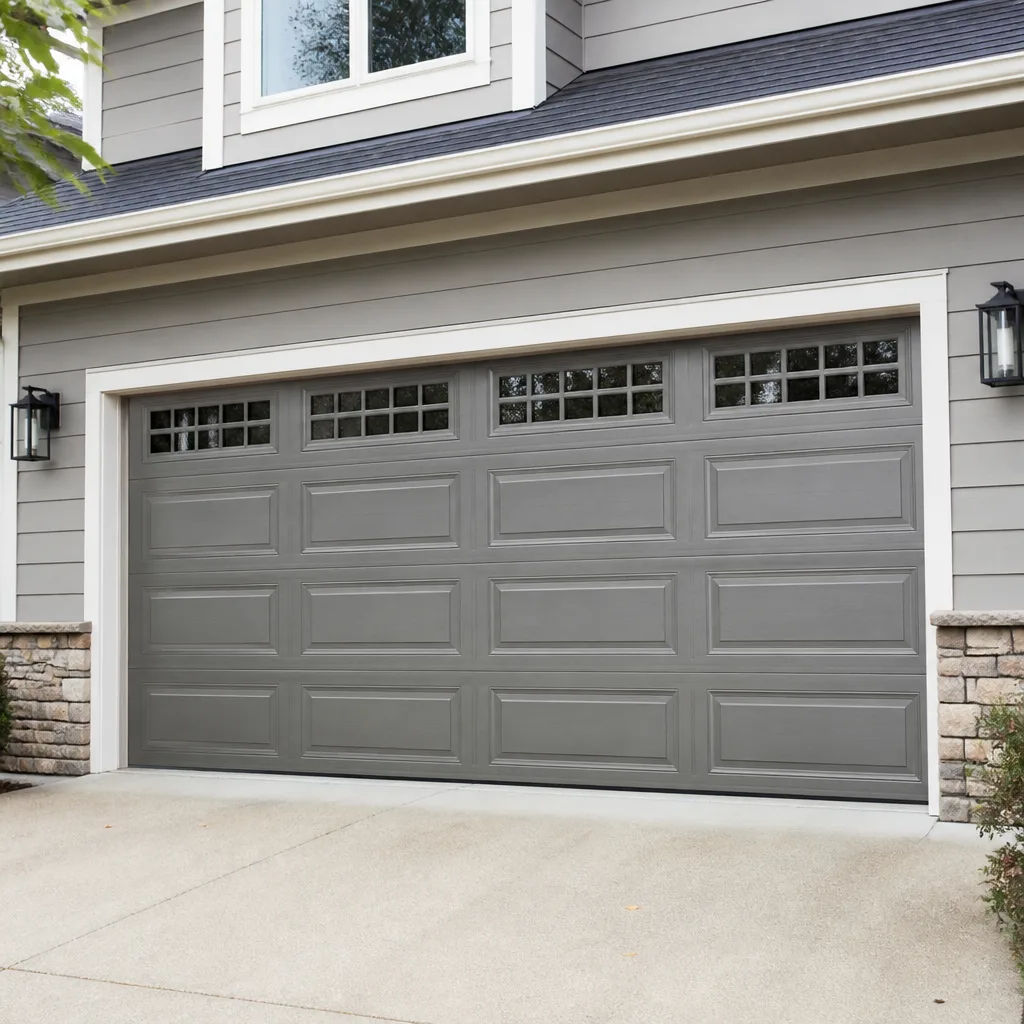 Raised-panel steel
 Carriage house
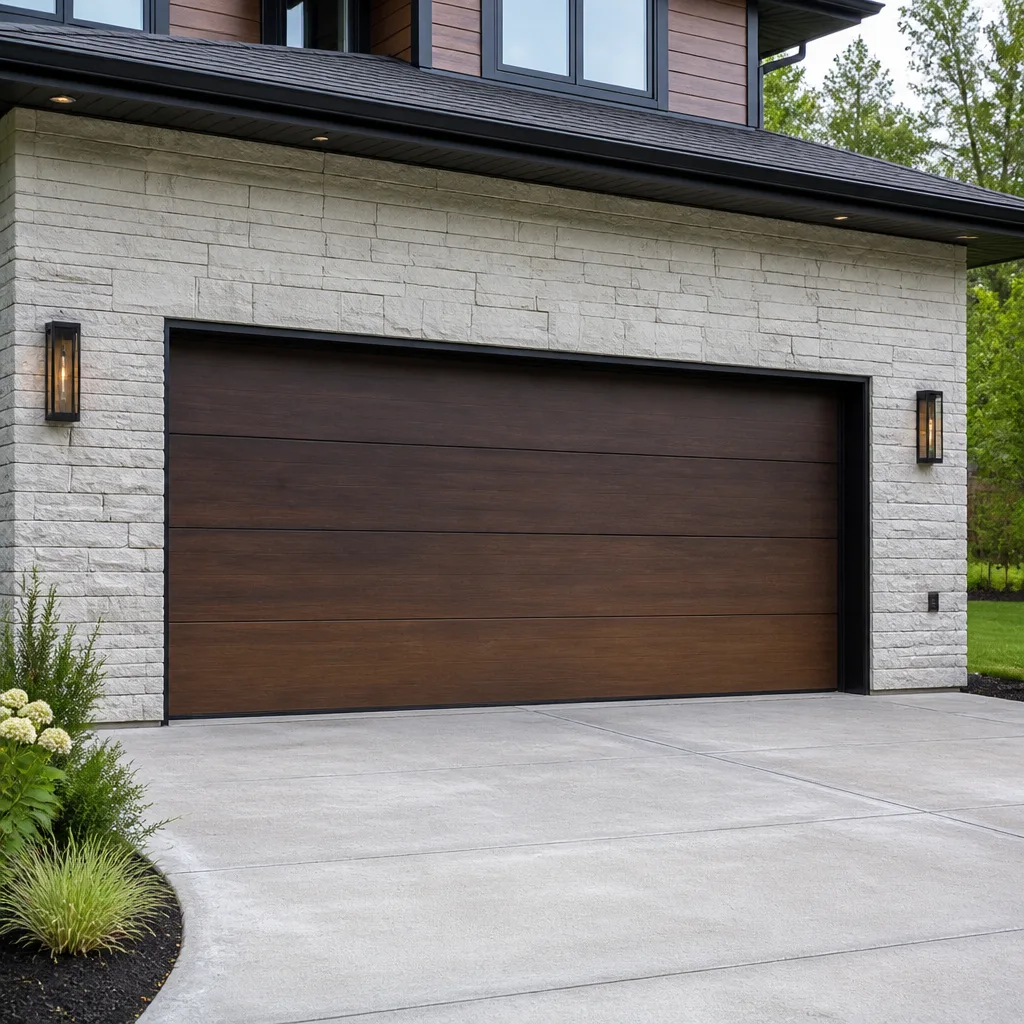 Modern flush
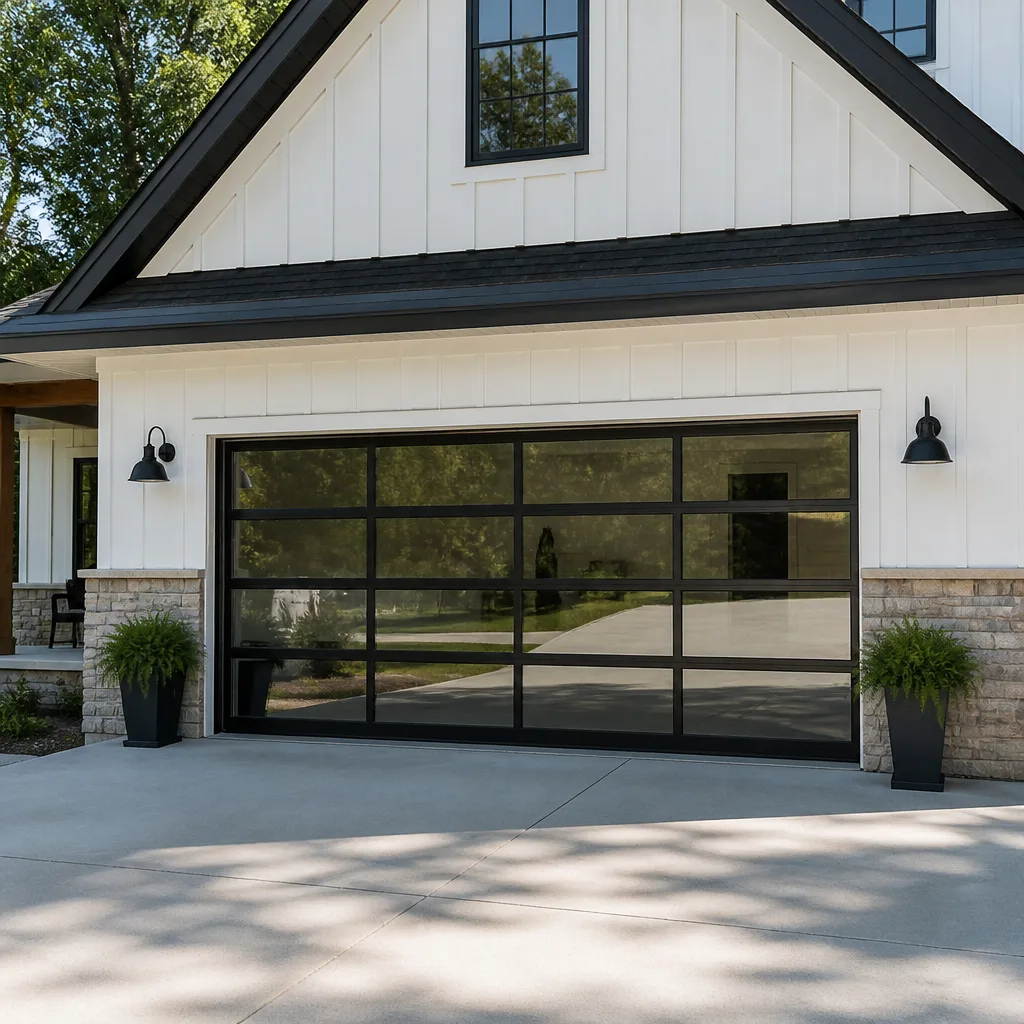 Full-view glass
 LiftMaster openers
 Chamberlain openers
Full 25-point door and opener safety check with every visit - springs, cables, rollers, tracks, and your LiftMaster or Chamberlain opener included
You get a price before we start. It does not change when the pro arrives.
Get your free estimateGarage Door Repair Maintenance Checklist for Coon Rapids Homeowners
Most garage door maintenance checklists recycle the same seven tips and sort them into one flat list you’ll never actually follow. We built this one backward. Instead of starting with generic advice, we started with the failure points that generate the most service calls in cold-climate towns like Coon Rapids: a bottom seal that stops compressing, tracks that rust and freeze the rollers in place, lubricant that thickens to paste below zero, and springs that lose tension so gradually nobody notices until the door won’t lift. Every task below is sorted by how often you should do it, so you know what takes ten seconds and what takes an afternoon. By the end you’ll have a weekly glance, a monthly routine, and a pre-winter inspection you can run before the first hard freeze in Coon Rapids.
Styles & brands we work with
- Raised-panel steel
- Carriage house
- Modern flush
- Full-view glass
- LiftMaster openers
- Chamberlain openers
Quick Answer
A garage door maintenance checklist for Coon Rapids homeowners should cover three rhythms: a weekly visual glance at the seal, tracks, and springs; a monthly check of the balance, rollers, and opener force limits; and a pre-winter inspection that focuses on bottom seal compression, track cleanliness, and cold-rated lubricant. The single highest-value task is keeping the bottom seal soft and the tracks dry and clean, because moisture and misalignment drive most avoidable service calls in Minnesota’s freeze-thaw cycle.
Table of Contents
- Why This Checklist Starts With Failure Points, Not Tips
- The Weekly Glance: Five Things to Check in Under a Minute
- The Monthly Check: Balance, Rollers, and Hardware
- The Pre-Winter Inspection: Cold-Climate Priorities for Coon Rapids
- How to Test Spring Tension Safely, Without Tools
- The Opener Force-Limit Self-Test by Brand
- Lubricant Viscosity: What Actually Works Below Zero
- What to Photograph Each Season (So a Technician Diagnoses Faster)
- Common Mistakes to Avoid
- When to Call a Professional
- Frequently Asked Questions
- The Bottom Line
Why This Checklist Starts With Failure Points, Not Tips
Garage door problems don’t announce themselves. They accumulate quietly through a Minnesota year, and the moment of failure usually arrives at the worst possible time: the morning you need to leave for work, or the Sunday evening before a school week. When we take a repair call in Coon Rapids, the question we ask first isn’t “what broke?” It’s “how long has it been doing that?” The answer usually tells us whether the homeowner had months of warning or hours.
The failures we see most often fall into a predictable order in this climate:
- Bottom seal degradation. The rubber seal along the bottom of the door is the first thing to fail. Once it hardens or splits, moisture gets under the door and into the tracks. That’s the start of a cascade.
- Track rust and debris buildup. Minnesota’s freeze-thaw cycle pulls meltwater into the track channel, where grit, road salt tracked in from the driveway, and leaf debris collect. Rust follows, and rollers start binding.
- Lubricant thickening. A lubricant that runs fine in October can become tacky and stiff by January, adding drag on every moving part.
- Spring fatigue. Torsion and extension springs lose force slowly. You don’t feel it day to day, but the opener compensates until it can’t.
- Opener strain and failure. The opener is often the last thing to fail, and usually because it was doing more work than it should have for months.
Notice that none of these are the “broken spring” or “dead opener” stories most lists lead with. Those are the end of the story, not the beginning. A checklist that starts with springs misses the months of small, cheap fixes that keep the spring and opener from overworking in the first place. For a deeper look at what happens when a spring does fail, our guide to garage door spring repair explains the repair side. This guide is about the side before that.
One more thing worth saying up front: not every task in this checklist is safe to do yourself. Springs under tension are genuinely dangerous, and we’ll say so clearly wherever it comes up. Everything else here is homeowner-level work.
The Weekly Glance: Five Things to Check in Under a Minute
The weekly glance isn’t a repair session. It’s a two-minute walk-around you do while the car warms up. The goal is catching a change before it becomes a problem. Here are the five things to look at:
- The bottom seal. Crouch down and look at where the door meets the floor. The rubber should press flat against the concrete along its whole length. If you can see daylight under any section, if the seal looks cracked, or if it feels hard and brittle instead of soft, note it. This is the number-one item to replace before winter, and it’s inexpensive.
- The tracks, left and right. Run a finger along the inside curve of each vertical track. It should feel smooth. Grit, rust spots, or leaves in the curve are early warnings. In Coon Rapids, this matters most after a snowmelt, when grit and road spray get tracked in.
- The panels, from the driveway. Step back and look at the door straight on. Bow it slightly with your eyes. A dented or warped panel puts uneven load on the tracks and springs. Small dents from a bumped car in a narrow driveway are common and worth catching early.
- The springs, by eye only. On a torsion spring above the door (the horizontal coil), look for a visible gap in the coil. On extension springs (running alongside the horizontal tracks), check for stretched coils. Do not touch, wind, or unwind anything. Visual only. More on this in the spring section below.
- The safety sensors near the floor. Look at both small sensor eyes mounted near the bottom of the vertical tracks. Each should have a steady light. A blinking light means something is misaligned or blocked. It takes ten seconds to nudge a sensor back into line, and it’s one of the cheapest fixes there is.
If everything looks fine, you’re done for the week. If something’s off, write it down. That written list becomes your monthly to-do. In our experience, homeowners who keep a written door log catch small issues months before they become a call. Garage Door Repair Coon Rapids covers garage door repair across the Coon Rapids area, and the majority of what we see could have been caught on a weekly glance.
The Monthly Check: Balance, Rollers, and Hardware
The monthly check goes a level deeper than the glance. Set aside twenty minutes. You’ll be testing the door’s balance and inspecting hardware, not just looking at it.
Step 1: The balance test
- Close the door fully.
- Pull the emergency release cord to disconnect the opener from the door. This is the red rope with a handle hanging from the trolley.
- Lift the door halfway by hand and let go.
- Watch what it does. A balanced door stays where you put it. A door that drifts down is under-tensioned; one that drifts up is over-tensioned. Either way, note it.
- Reconnect the opener by running it until the trolley re-engages the door. If you’re not sure, close the door by hand first, then operate the opener once to re-engage.
If the door won’t stay in place, do not attempt to adjust the springs yourself. Spring adjustment is the single most dangerous task on a garage door. Log the result and get it checked by a technician.
Step 2: The roller inspection
Rollers are the small wheels that ride in the tracks. Look at each one along the vertical and horizontal tracks. Nylon rollers should look smooth and round; steel rollers should turn freely without wobble. A flat spot on a roller or a roller that squeals as the door moves means replacement is coming. Rollers are inexpensive and swapping a worn set now prevents track wear and opener strain later.
Step 3: The hardware tour
- Check the hinges connecting each panel. Look for loose screws or cracks at the mounting points. Snug bolts with a socket wrench, but don’t overtighten; the metal is thin.
- Look at the bracket where the opener arm attaches to the door. That connection takes a lot of pull.
- Inspect the weatherstripping along the sides and top of the door frame. If it’s brittle or torn, cold air and moisture get in behind the door and into the frame.
- Sight the safety sensors again. If a light was blinking last week, is it still blinking? Persistent sensor issues sometimes point to a wiring problem rather than a simple misalignment.
Step 4: The lubrication pass
Wipe the tracks clean with a dry cloth (never use grease on the tracks themselves), then lubricate the moving parts: hinges, rollers, and the spring if it’s the enclosed, lubricated type. Use a purpose-made garage door lubricant, not WD-40 or motor oil. More on which lubricant and why in the viscosity section below.
The Pre-Winter Inspection: Cold-Climate Priorities for Coon Rapids
Coon Rapids winters are hard on garage doors because of the freeze-thaw cycle, not just the cold. Meltwater from a warm afternoon runs into the track channels and freezes overnight. That’s the mechanism that turns small dirt and rust issues into locked doors. Run this inspection once, ideally before the first hard freeze, and again lightly in late winter if it’s been a rough season.
- Bottom seal compression, again. This is the priority. Press the rubber seal against the floor by hand along its whole length and feel for gaps. If the seal is more than a season or two old in a Coon Rapids climate, it’s probably hard and no longer sealing. Replacing it is one of the cheapest and highest-value maintenance tasks on the door.
- Track de-icing preparation. Clear any leaves, dirt, and grit from the track channels. Don’t use rock salt or de-icers on or near the tracks; the residue is corrosive. A dry, clean track freezes less meaningfully and lets rollers move smoothly on cold mornings.
- Lubricant top-up with a cold-rated product. Don’t trust the same bottle you use in summer. Check the label and, if the temperature range doesn’t cover the deep cold, switch to a cold-rated garage door lubricant.
- Weatherstripping around the entire frame. Cold air and moisture on the inside surfaces of the door panel accelerate cracking and paint failure. A visual pass around the frame is quick.
- Spring visual. Cold makes steel more brittle, which is one reason spring failures cluster in winter. Look for a visible gap in the torsion coil (a break) or stretched extension coils. Do not touch.
- Opener force test. The opener does more work in cold weather because the door moves harder. Run the force-limit self-test (see the opener section below) so you know the opener is working within spec going into winter.
- Door balance recheck. Do the balance test once more. If it was drifting in the fall, it will drift more in the cold.
If anything on this list is beyond a homeowner-level fix, the pre-winter window is the least stressful time to book a technician. We cover garage door repair throughout Coon Rapids, and a pre-winter inspection is far less stressful than a door that won’t close in January.
How to Test Spring Tension Safely, Without Tools
You can tell a lot about a spring’s health from the outside, with no tools and no contact. Here’s what to look for, from safest to slightly more involved. If anything below suggests a problem, call a professional. Do not attempt to adjust, wind, or unwind a spring.
The safe visual cues
- A visible gap in the torsion coil. On a torsion spring mounted above the door, look along the coil. A break shows as a clean gap where a coil has separated. If you see that, the spring has failed and the door should not be operated. Call a professional.
- Stretched or sagging extension springs. Extension springs run alongside the horizontal tracks. Look at their coils. A healthy spring shows even coil spacing; a fatigued one looks stretched or uneven. Extension springs also need a safety containment cable through them; if yours lack one, that’s worth a professional look.
- The door feels heavy. When the door is disconnected from the opener (as in the monthly balance test), a heavy lift from halfway tells you the springs have lost force. A properly tensioned door lifts with one hand.
The motion cues
- The opener sounds like it’s working harder. More motor strain, longer run times, and a door that hesitates at the start of its travel are signs the opener is compensating for lost spring force. That’s a red flag.
- The door slams or drops. If the door falls the last few inches on closing, or bangs on opening, springs are likely weak or the opener force is set too high. Both need attention.
- The door drifts. A door that slowly drifts down when left partway open is under-tensioned.
What you cannot do safely without training: any task that involves the winding bars, torsion spring tension, or the cable that runs through the spring. High-tension springs store significant energy, and a failure during a DIY adjustment can cause serious injury. When in doubt, stop and call. Our technicians handle spring diagnosis and repair, and we’ve built that capability into everything we do. That’s also why spring repair appears on our garage door opener repair pages alongside opener work: the two systems interact constantly.
The Opener Force-Limit Self-Test by Brand
Modern openers have a force-limit setting that tells the motor how hard to work before it reverses. If it’s set too high, the door can crush through an obstruction before reversing; too low, and the door reverses on its own for no apparent reason. Testing it is a homeowner-level task on most brands. Here’s how the big three work.
LiftMaster and Chamberlain
These two brands share a control panel layout on most models, so the sequence is nearly identical.
- Close the door and pull the emergency release to disconnect the opener from the door.
- Lift the door by hand about four feet off the floor and let go. A balanced door holds; if it drops or rises, the springs or balance need attention. Reconnect the opener by running it once.
- Lay a two-by-four flat on the floor under the middle of the door.
- Operate the door to close. It should reverse when it contacts the board. If it doesn’t reverse, stop testing and call for service; the force limit or the safety sensor may need adjustment.
- Remove the board and confirm the door closes fully. If it reverses on the way down with the board gone, the force setting is too low and needs adjustment via the opener’s control panel.
Genie
Genie openers use a similar test method on most screw-drive and belt-drive models.
- Close the door and pull the emergency release.
- Lift the door by hand about four feet; it should stay put.
- Reconnect the opener.
- Place a two-by-four flat under the door and operate it to close. The door should reverse on contact.
- Remove the board and confirm full close.
For all brands, also verify the safety sensors: they should continue to be tested monthly by waving an object through the beam while the door is closing. The door should reverse immediately. If it doesn’t, the sensors or wiring need attention. On any brand, follow the manual’s specific sequence for force-limit adjustment; if the manual isn’t handy or the behavior is inconsistent, a technician can confirm the setting. We work on LiftMaster, Chamberlain, and Genie openers regularly, along with Clopay, Amarr, Wayne Dalton, Craftsman, and Raynor doors and openers.
One practical note for Coon Rapids winters: the force limit sweet spot gets narrow because the door moves harder in cold. If you find the door working fine in October but reversing on its own in January, it’s often the force setting, not the spring. Our guide to garage door opener repair covers the diagnosis side in more detail.
Lubricant Viscosity: What Actually Works Below Zero
The single most common lubricant mistake our technicians see is using a good summer product through a Minnesota winter. Viscosity is the property that describes how a fluid resists flow: thinner fluids pour easily, thicker fluids resist. Garage door lubricant needs to stay fluid enough to coat moving parts when the ambient temperature drops well below freezing.
- Cold-rated garage door lubricant. The right product is a purpose-made garage door lubricant rated for low temperatures. It stays soft where general-purpose oil thickens. Check the label’s minimum temperature before the first freeze in Coon Rapids.
- Silicone spray. A good alternative for the springs, hinges, and rollers. Silicone sprays stay fluid in cold, don’t attract dirt like grease, and don’t gum up between seasons.
- White lithium grease. Works in warmer months, but it can thicken and get tacky at the temperatures Coon Rapids sees most winters. Not the ideal choice for exposed parts going into a hard freeze.
- WD-40. Fine as a light cleaner and short-term lubricant, but it doesn’t last through a season. It’s not a substitute for a proper garage door lubricant.
- Motor oil and general-purpose grease. Both attract dust, gum up tracks, and get thick in cold. Not recommended for any part of the door.
Where to apply it: the hinges, the roller shanks, and the springs. Never on the tracks. Tracks should be clean and dry; grease in the tracks grabs grit and makes things worse. A light application on the moving parts, applied monthly, is the right cadence. In a Coon Rapids winter, a top-up in November and a second in January or early February keeps everything smooth through the coldest stretch.
Also worth a monthly visual: if you notice lubricant has turned cloudy, thick, or sludgy at the hinge points, it’s time to wipe it off and reapply. Sludgy lubricant is doing the opposite of what you want, adding drag where you meant to remove it.
What to Photograph Each Season (So a Technician Diagnoses Faster)
When a garage door problem escalates, the difference between a quick diagnosis and a slow one is often how much history the homeowner can supply. Photographs and short notes make an enormous difference because they let a technician see what changed over time, not just what things look like today. Here’s a documentation routine worth keeping.
What to photograph (same angles, same lighting, each season)
- The bottom seal from the inside. Close the door and shoot along the floor line from inside the garage. That angle shows daylight gaps that look invisible from outside.
- Both vertical tracks, full length. Stand back and shoot the full tall track on each side. Rust patterns, dents, and grit accumulation show clearly from this angle.
- The torsion spring, full length. Standing straight back, photograph the spring above the door. A gap that appears in a later photo compared to an earlier one is a break worth noting.
- The extension springs, both sides. Frame both sides together with the safety cables visible if present.
- The opener head and any warning lights. Note which lights are lit and any codes flashing. A photo of a blinking error code saves a diagnostic step.
- The full door from the driveway. Stand back and shoot at eye level. Panel distortion, sagging, and alignment show here.
What to note alongside them
- The date you took the photo and the ambient temperature that day, roughly.
- Anything that changed: a new noise, a hesitation, a blinking light, a bounce on closing.
- Recent weather events: a freeze, a thaw, a heavy snow, or a big rain.
- Any repair or part replacement since the last photo.
Keeping a photo archive takes about five minutes per season. When you do need to call for service, the photos give a technician a real history to work from, which shortens the time from call to diagnosis. In Coon Rapids, where freeze-thaw swings happen quickly, the spring and fall photo pair is often the most revealing. It shows how much the door changed across one full cycle of the local climate.
Common Mistakes to Avoid
- Greasing the tracks. Tracks should be clean and dry. Grease in the tracks grabs grit and makes rollers bind, which is the opposite of what you want. Keep lubricant on the hinges, rollers, and springs only.
- Using rock salt or de-icer on the tracks. In a Coon Rapids winter, it’s tempting to treat a frozen track the same way you’d treat a sidewalk. Don’t. Salt residue is corrosive to rollers and springs and doesn’t actually solve track freeze.
- Winding or unwinding a spring yourself. This is the single most dangerous mistake on this list. High-tension springs store a lot of energy. Never attempt to adjust, wind, or unwind one without training; call a professional.
- Ignoring a blinking safety sensor light. A blinking sensor is easy to dismiss, especially when the door still works. But a misaligned sensor is often the early sign of a wiring or mounting issue that gets worse over time.
- Replacing only one spring of a matched pair. When torsion springs are installed as a matched pair, they wear together and should usually be replaced together. Replacing one often means the older one fails soon after. Our guide to garage door spring repair explains why a proper quote for a pair is roughly double the single-spring figure.
- Pushing a winter-cold door harder by overriding the opener. When a door is slow in cold weather, holding the wall button to force it through strains the opener and doesn’t fix the underlying cause. Find the reason the door is heavy.
- Skipping the pre-winter inspection entirely. Coon Rapids winters are hardest on doors that went into them without a check. A twenty-minute pre-winter pass in October heads off the most common January service calls.
When to Call a Professional
Call a professional when the door won’t stay balanced on the balance test, when you spot a visible gap in the torsion spring, when the opener reverses on its own and the force-limit adjustment doesn’t fix it, when the door is clearly harder to lift by hand than it should be, or when a track is bent, dented, or visibly out of line. Any of these signals points to work that’s either dangerous or beyond homeowner tools. Also call if you’ve ruled out the simple stuff (sensors, seal, lubricant, force setting) and the door is still behaving badly. Our technicians have up to 9 years of experience, and Garage Door Repair Coon Rapids offers free estimates in Coon Rapids. We answer 24/7, and fast dispatch from 7am to 7pm, Sunday through Friday, gets a technician out for planned or unexpected failures. Call (855) 337-1768 for a free estimate.
Frequently Asked Questions
Do the weekly glance every week, the monthly check once a month, and a full pre-winter inspection each year before the first hard freeze. In Coon Rapids cold-climate conditions, most homeowners benefit from a lighter repeat inspection in late winter if the season was rough, because the freeze-thaw cycle wears on seals, tracks, and springs quickly. A purpose-made checklist you can tick off is worth keeping on the fridge.
On most standard residential doors, yes. The bottom seal is rubber weatherstripping that slides into or is affixed to a channel along the bottom of the lowest panel. It’s one of the few garage door maintenance tasks with no spring tension involved, and it’s one of the highest-value tasks, especially in a Coon Rapids climate where moisture drives track rust. If the seal’s channel is damaged or the door is an unusual brand or model, a technician can handle it. For routine replacement on a standard door, homeowner-level work is fine.
Look for four signals. First, a visible gap in the torsion coil above the door, or visibly stretched extension coils alongside the tracks. Second, the door feels heavy when you lift it manually with the opener disconnected. Third, the opener sounds strained or runs longer than it used to. Fourth, the door drifts down when left partway open. Do not attempt to adjust the spring yourself under any of these conditions; call a professional. We cover spring diagnosis and repair across Coon Rapids.
Look for a garage door lubricant rated for the lowest temperatures your door sees in a typical winter. For most Coon Rapids winters, that means a product with a low-temperature rating well below freezing, or a silicone spray that stays fluid in the cold. Check the label’s minimum temperature range; a product that’s fine in summer can turn tacky in January. Never use motor oil or general-purpose grease on the moving parts.
Cold weather narrows the gap between “closes normally” and “reverses on its own,” for two reasons. First, cold thickens lubricant and stiffens seals, so the door moves with more drag, which trips the opener’s force limit. Second, a cold door can flex slightly, throwing off the balance. If the behavior only started in winter, the first thing to rule out is a cold-rated lubricant and a force-limit setting that needs adjustment. If the door also feels heavy or drifts, the springs need checking before the opener is blamed.
Coverage varies by policy, so check with your insurer. In general, wear-and-tear repairs like spring fatigue and track rust are usually not covered, while sudden damage from storms or impact (a vehicle bump, a falling limb) sometimes is. Documenting the door with seasonal photos makes it easier to distinguish normal wear from a covered event if you ever need to file a claim. For repairs after a covered event, our technicians can work with your insurer to document the damage, but the coverage decision belongs to the insurer.
The Bottom Line
Most garage door maintenance is cheap, quick, and prevents expensive calls. The weekly glance, the monthly balance and roller test, and the pre-winter inspection are three rhythms that together take about an hour a month, and they head off the failures that bring homeowners running to the phone. The highest-value tasks in a Coon Rapids climate are keeping the bottom seal soft, the tracks clean and dry, and the lubricant cold-rated. Everything else flows from those. Anything involving spring tension is not a homeowner task. Garage Door Repair Coon Rapids is a garage-door-only specialist serving Coon Rapids and surrounding areas. Call (855) 337-1768 for a free estimate; we answer 24/7, with fast dispatch from 7am to 7pm, Sunday through Friday.
Written by the team at Garage Door Repair Coon Rapids.
See the difference
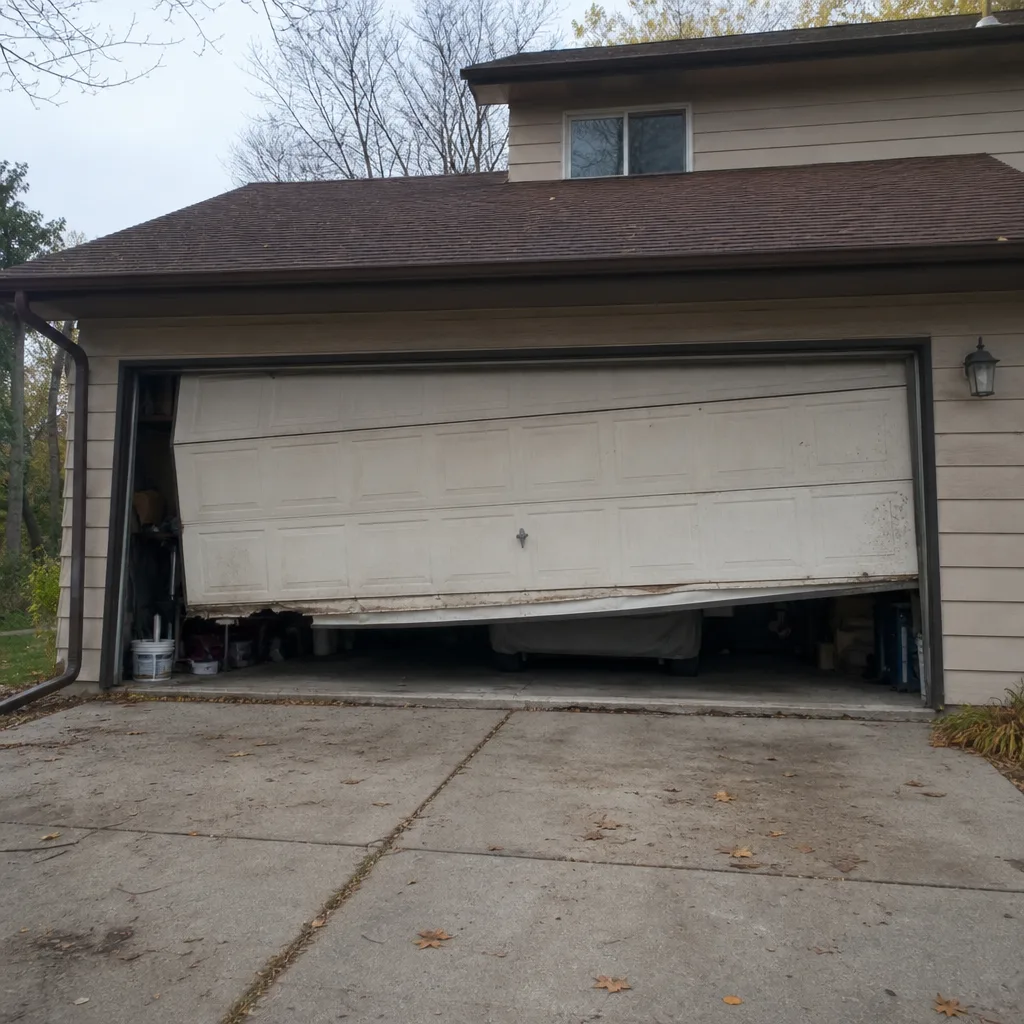 Before
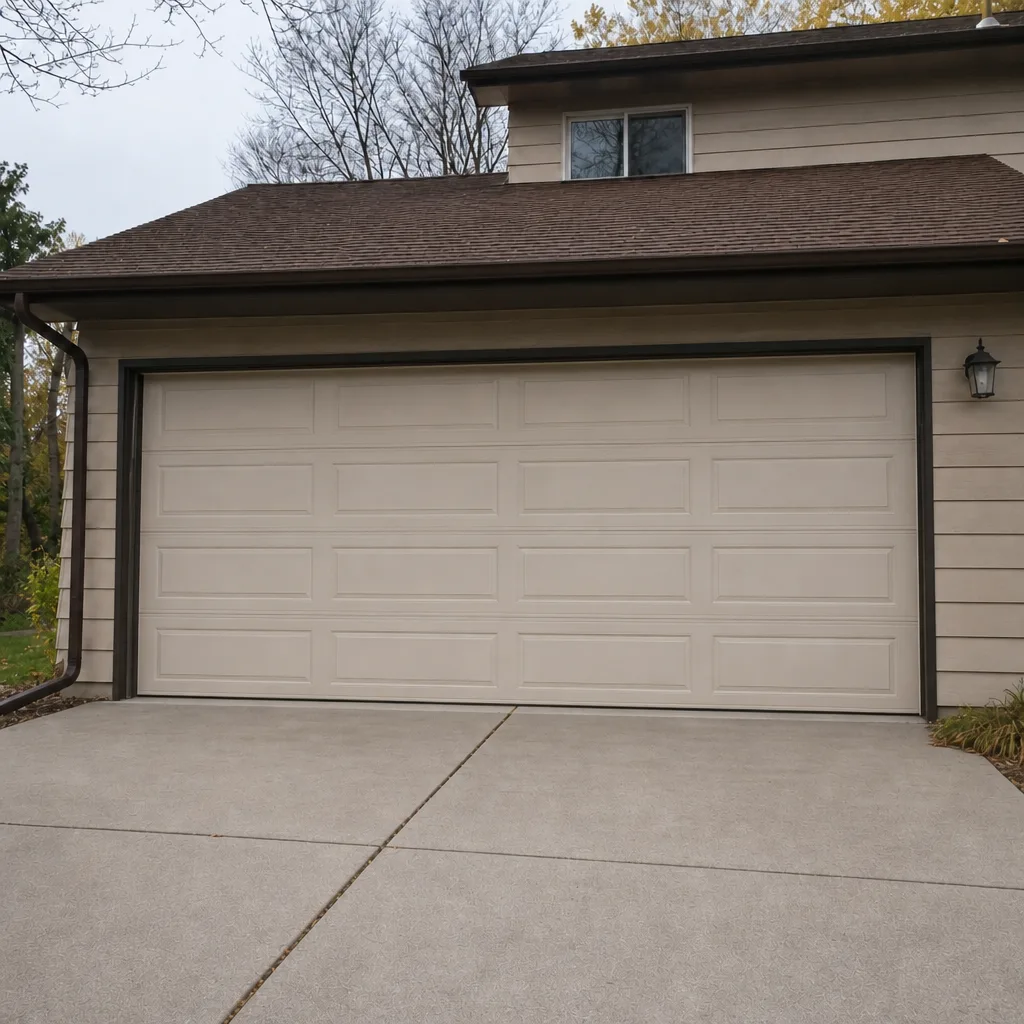 After
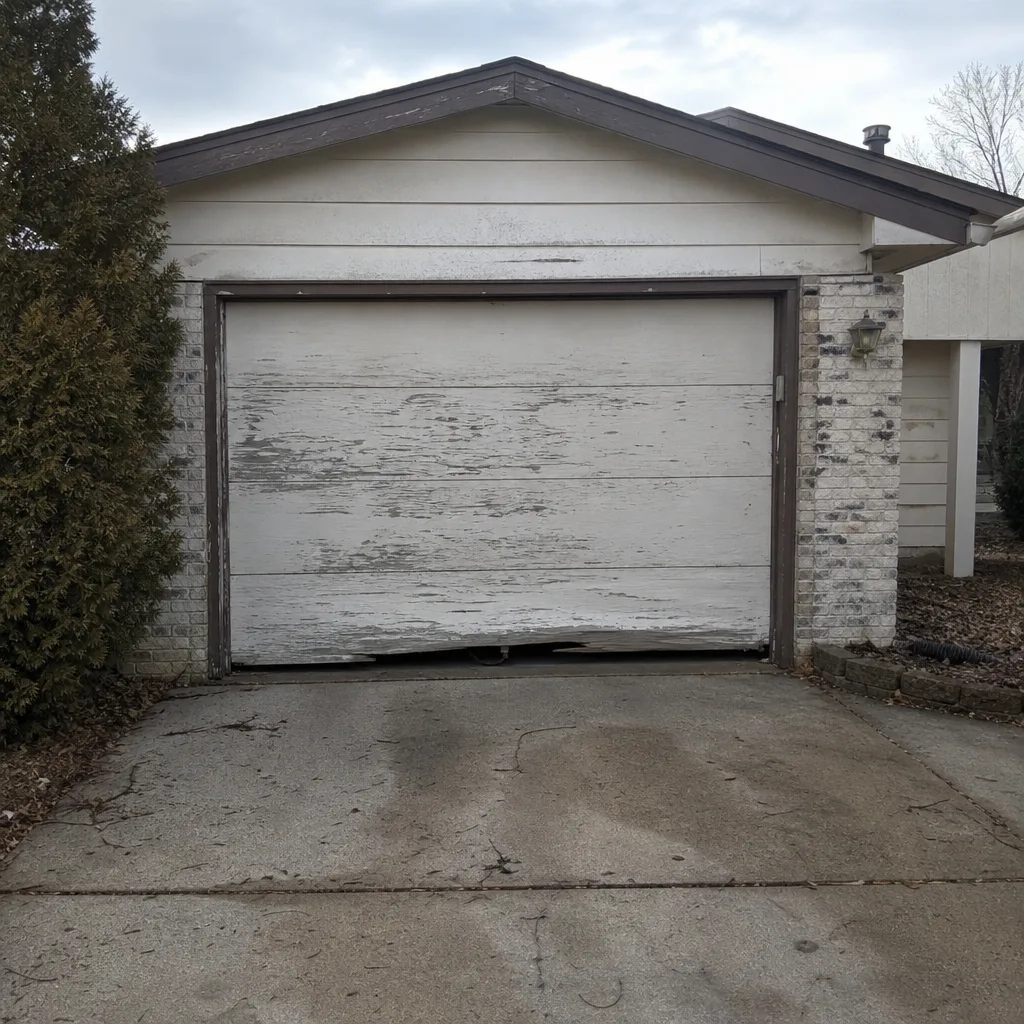 Before
 After
 Before
 After